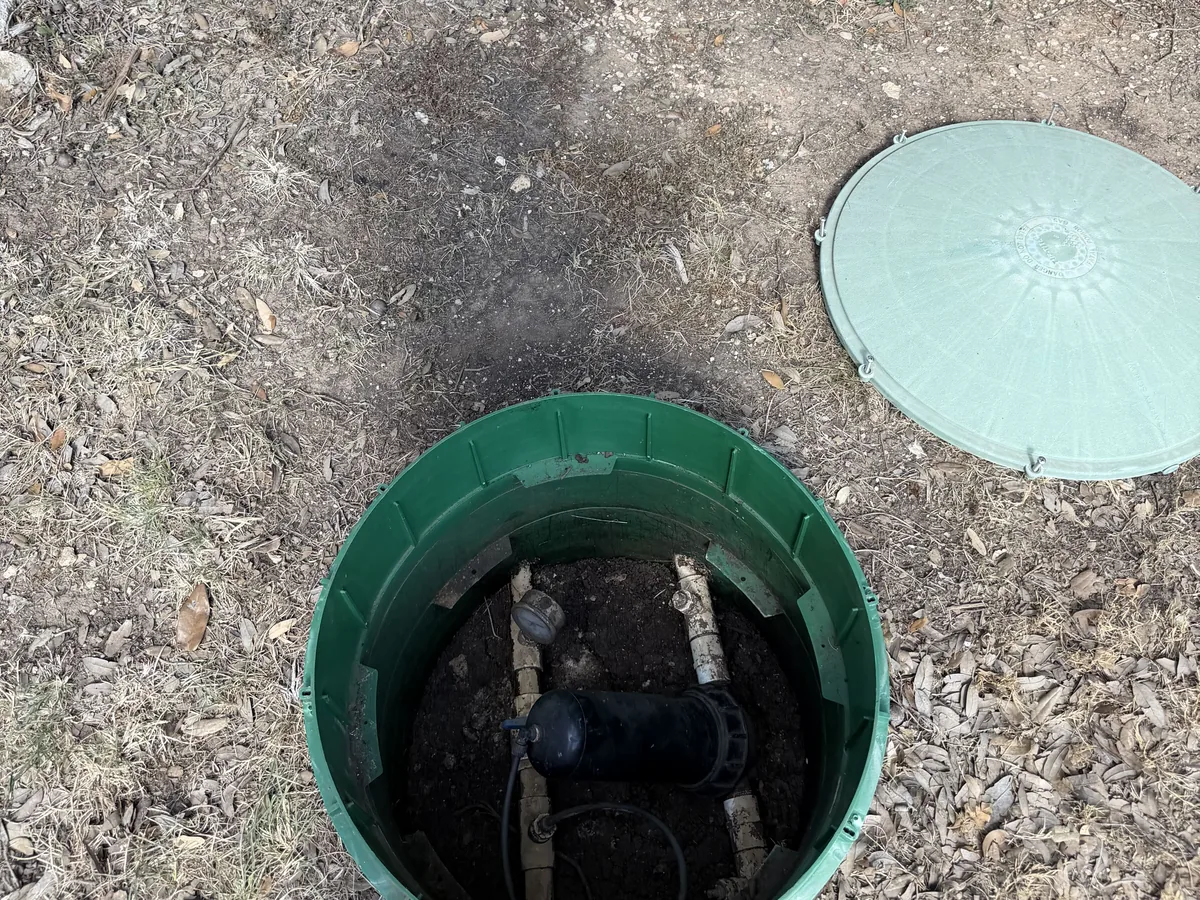
Risers and Lids
A septic tank riser brings the tank lid up to ground level, so the tank opens without digging. We install risers and replace cracked or broken lids across Williamson and Travis County.
Learn More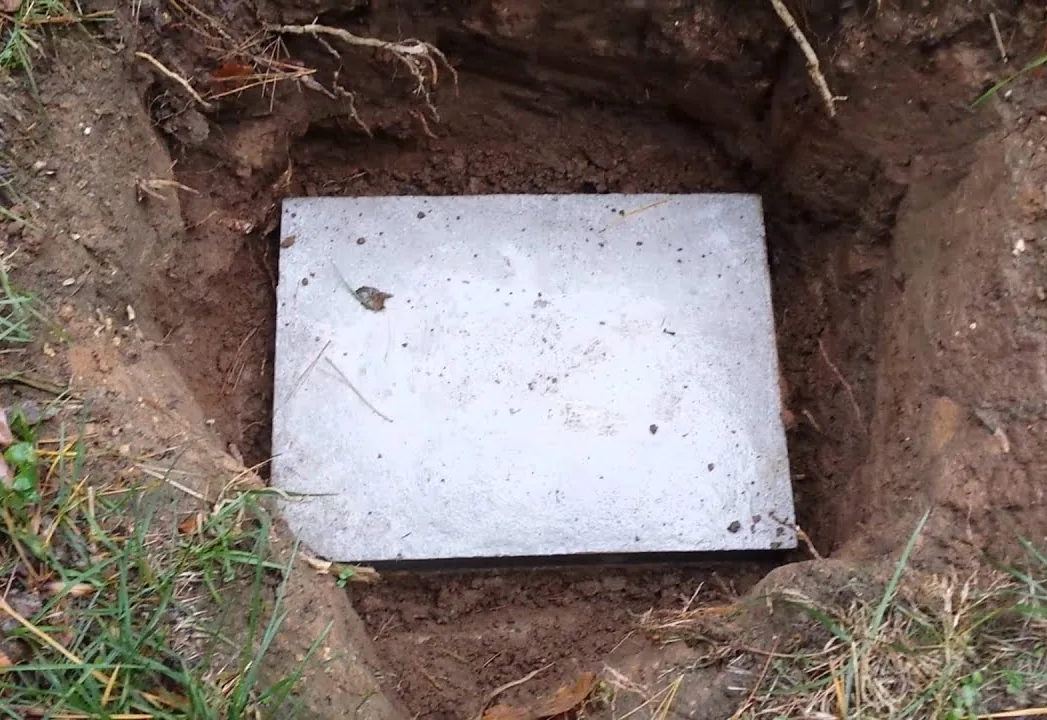
Septic tank locating is where a lot of our calls start. You bought the house last year and nobody marked the lids. Or the tank has not been opened since the place was built. We find the tank, open it, and get on with the work.
Two things usually do it. The county keeps a permit file on the property, and that file often holds a drawing of the system. The sewer line leaving the house points the rest of the way. Most owners book the locate with septic tank pumping, since the lids come open either way.
Tell us what is going on with your system. We will call or text you back.
We start with paperwork. Texas rules require a septic permit application to include a scale drawing of the system. That drawing stays in the county file. The Williamson County Engineer's Office runs the OSSF program outside Austin city limits. Records come out through an open records request on the property address. Outside that county, the office that permits your address holds the same kind of file.
Then we go outside. The sewer line leaves the house at the cleanout, a capped pipe near the foundation. The tank sits somewhere along that line. We probe the ground until the probe finds the tank wall, then follow the wall to the lid openings.
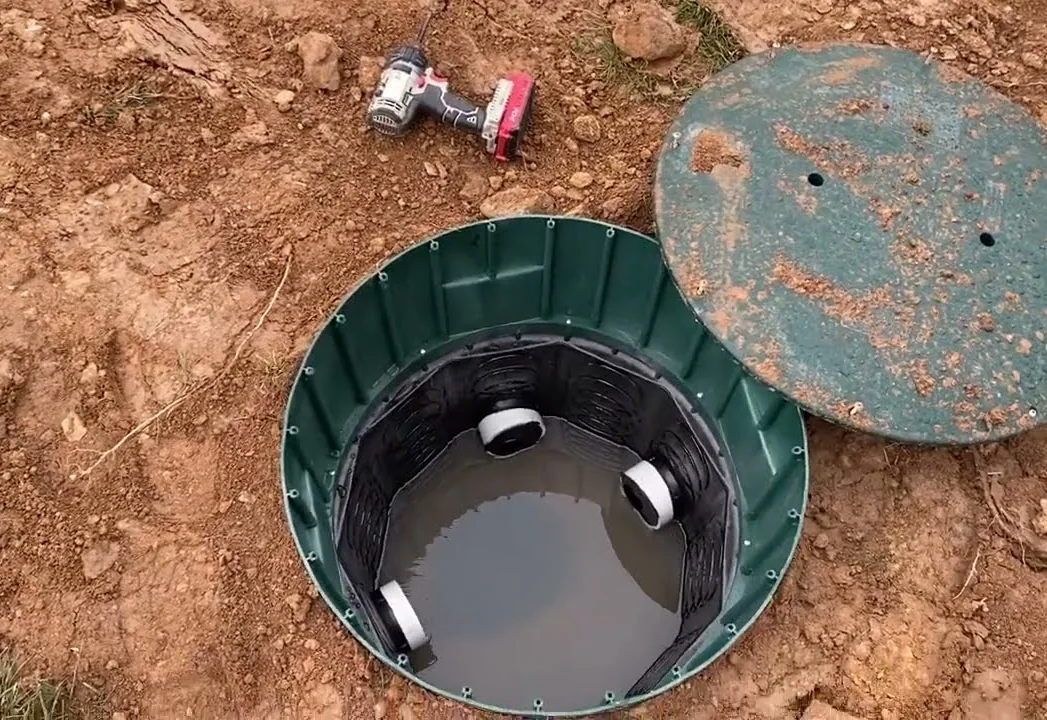
A conventional tank has two compartments and two lids. Aerobic units have more. Once we find them, we open them by hand and backfill when the work is done. If you are buying the place, the same record pull is part of a real estate septic inspection.
Texas rules set the ceiling on newer tanks. A septic tank buried more than 12 inches down has to have risers over the lid openings. Those risers stop no more than six inches below the ground. So on a tank built to current rules, the lid sits close to the surface.
Older tanks are the hard ones. Many went in before that rule. A lid can sit a foot or more down, under sod, gravel or a flower bed. Around Leander, Cedar Park and Liberty Hill the soil is thin over limestone and hand digging is slow. East of I-35 in Hutto and Pflugerville, the Blackland clay packs hard over a lid.
This is why digging blind goes wrong. Texas rules put drainfield lines between 18 inches and three feet deep. A fence post, a stake or a careless shovel goes right through one. A cracked lid is worse, and a septic inspection tells you what shape the tank and the field are in.
Start with your closing papers. Plenty of buyers have the as built drawing and never look at it. Then find the cleanout near the house and look out from it in a straight line. The lawn helps too. Grass over a tank often grows greener, or it browns out first in a dry August. A shallow dip in the yard can be settled fill over a lid.
A few things are worth leaving alone. Do not dig blind, and do not drive stakes where the line runs. Texas 811 covers public utility lines, and the private sewer line on your lot is not one of them. Do not open a tank yourself either. The gas inside is dangerous and an old lid can give way. The EPA also tells homeowners not to drive or park on a drainfield, since that weight damages pipes.
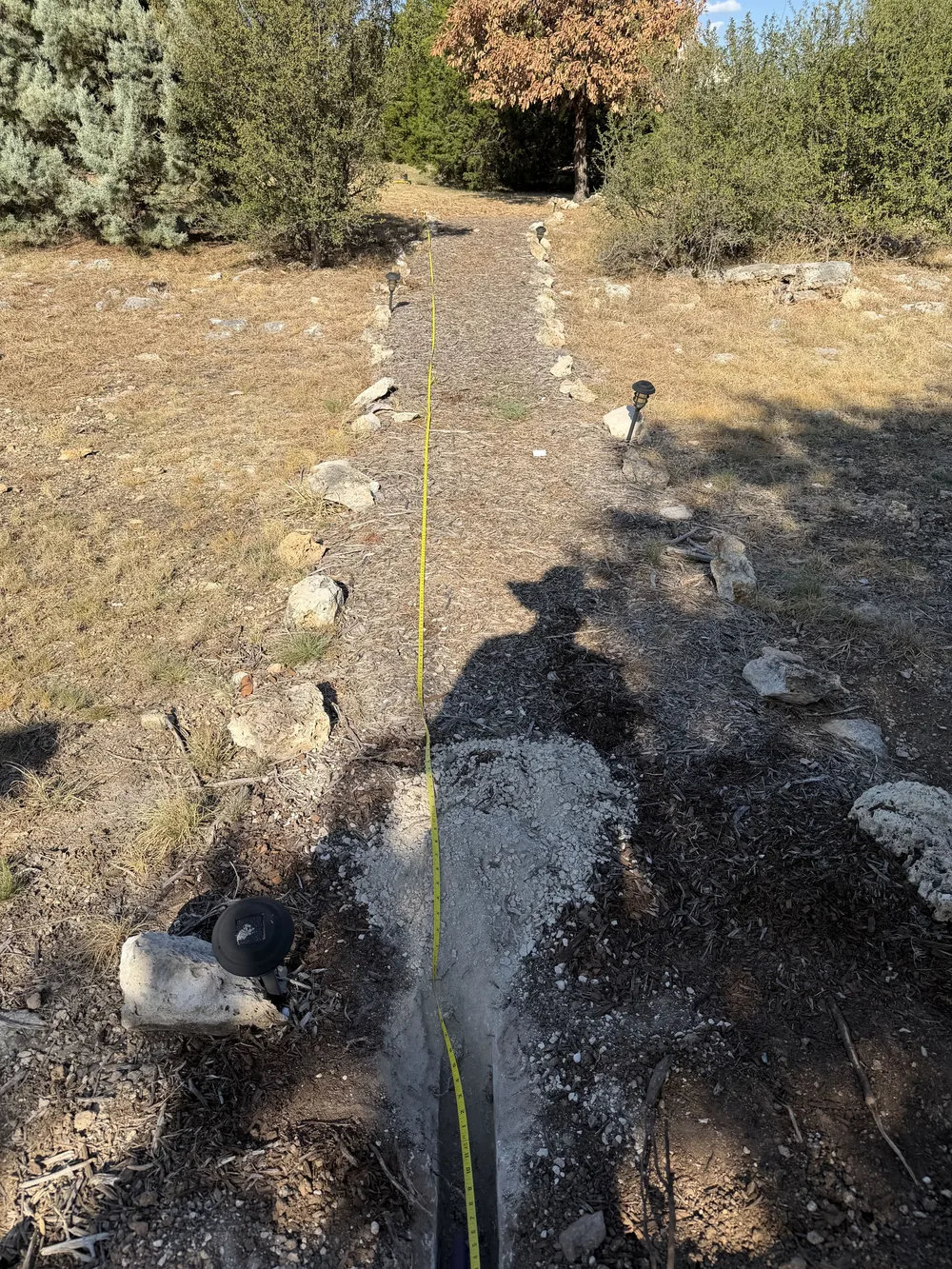
Once the lids are open, mark them. We measure the lids off a house corner or a fence post so you can write it down. If you would rather stop digging at every visit, risers and secure lids bring the openings up to grade. Owners call us when they are not sure where their tanks are. We have found those tanks and pumped them.
A quote before any work begins, across Williamson County, north Travis County and the north shore of Lake Travis.
(512) 887-4458From the first call to the lids going back on, here is how it goes.
Call or text (512) 887-4458, or send the quote form. Tell us roughly when the tank was last pumped if you know.
You get the appointment window by text. If anything changes on our end, you hear from us first.
If you know where your lids are, tell us when you book. If not, we start at the sewer cleanout and probe from there.
The tank comes out empty. While it is open we clean the effluent filter and look at the baffles, inlet and outlet.
You get photos, the tank's condition and a realistic date for the next pump-out. Lids are resealed and the site is left the way we found it.
Common questions about tank locating across Williamson County, north Travis County and the north shore of Lake Travis. If yours is not here, call and ask.
A septic tank riser brings the tank lid up to ground level, so the tank opens without digging. We install risers and replace cracked or broken lids across Williamson and Travis County.
Learn More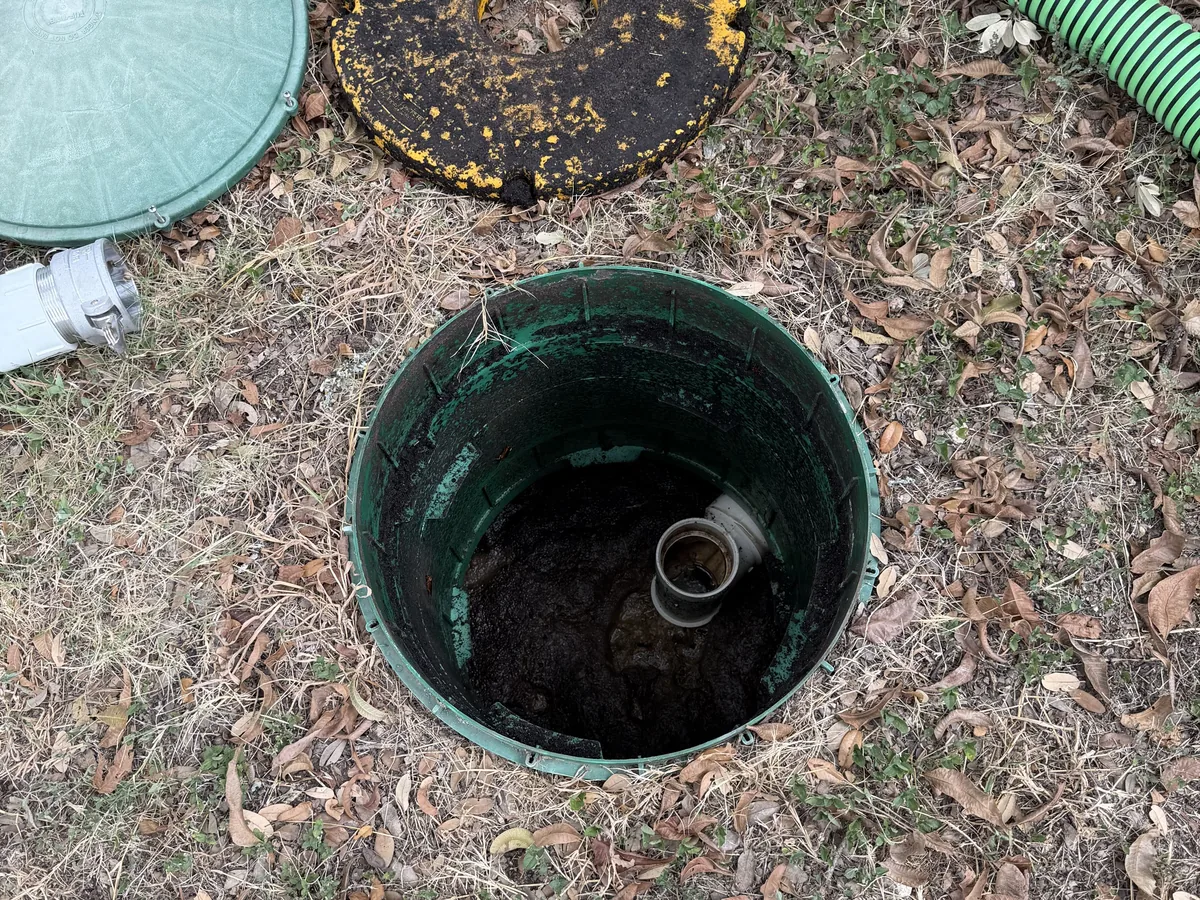
A septic inspection for owners who want to know where the system stands. We measure sludge and scum, check the tank and the field, and send a written report with photos.
Learn More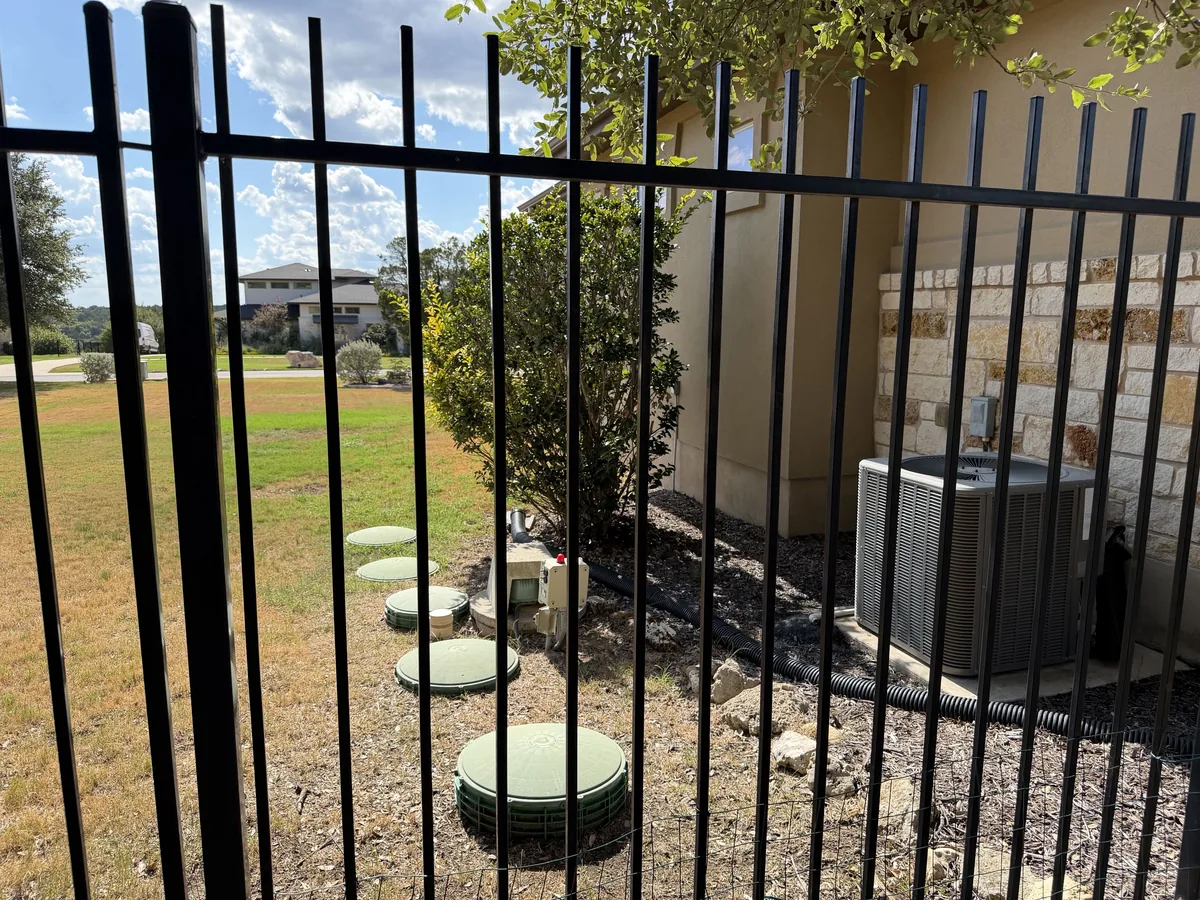
A full septic inspection on a transaction timeline, run with the tank pumped so the inside can be seen. The county permit record gets pulled, and the findings are explained to the buyer, the seller or the agent.
Learn MoreYou get the number before we start, and the quoted price is what you pay for that scope. If something else turns up once the tank is open, you get a separate quote first.
Every compartment in the tank gets emptied. While it is open we clean the effluent filter and check the baffles, inlet and outlet.
You get photos of the inside of your tank and a plain rundown of its condition. We also give you a realistic date for the next pump-out.
Our own vacuum pump truck works about 30 miles around Leander. Cedar Park, Liberty Hill, Georgetown, Round Rock and the north shore of Lake Travis are all in range.
Tell us what the system is doing and when it was last pumped, and we will quote the job. You can also call or text (512) 887-4458.
Tell us what is going on with your system. We will call or text you back.