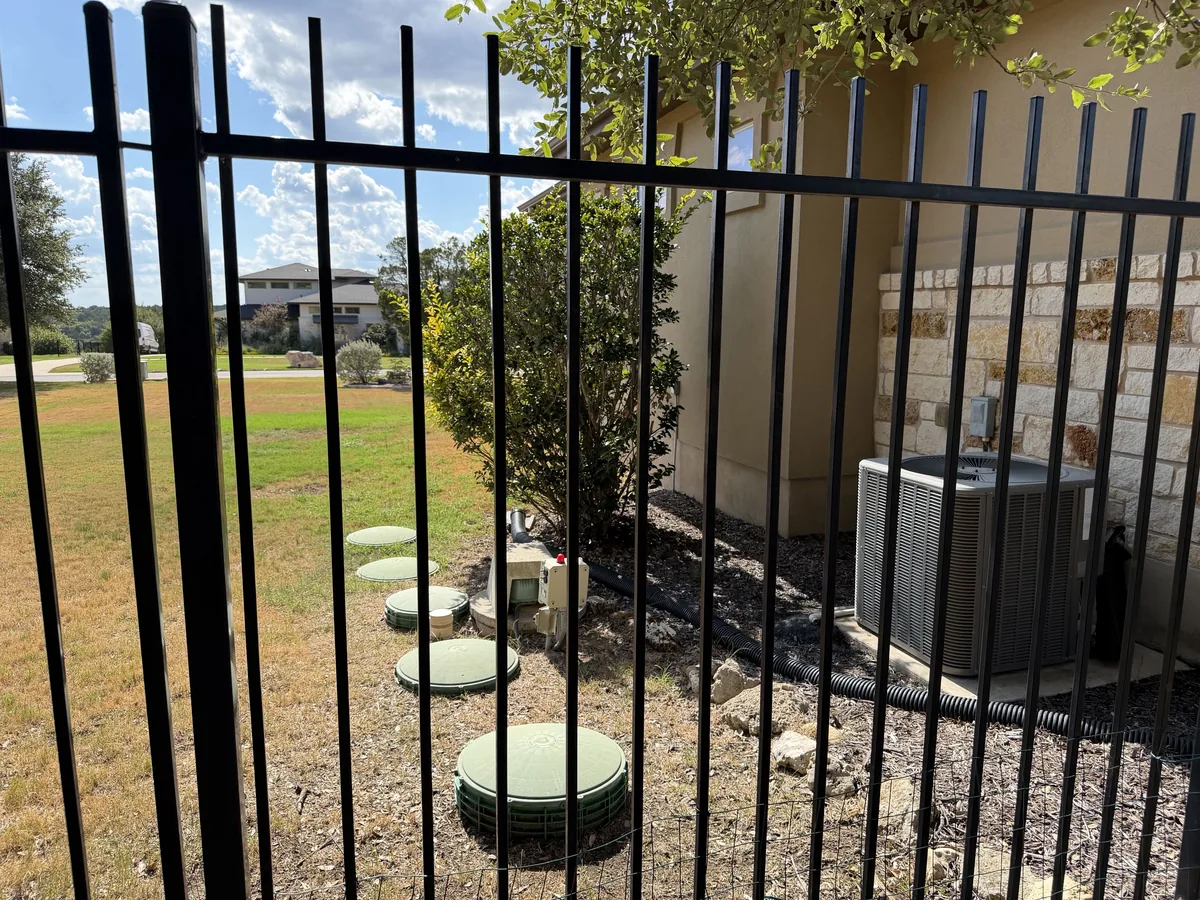
Real Estate Inspections
A full septic inspection on a transaction timeline, run with the tank pumped so the inside can be seen. The county permit record gets pulled, and the findings are explained to the buyer, the seller or the agent.
Learn More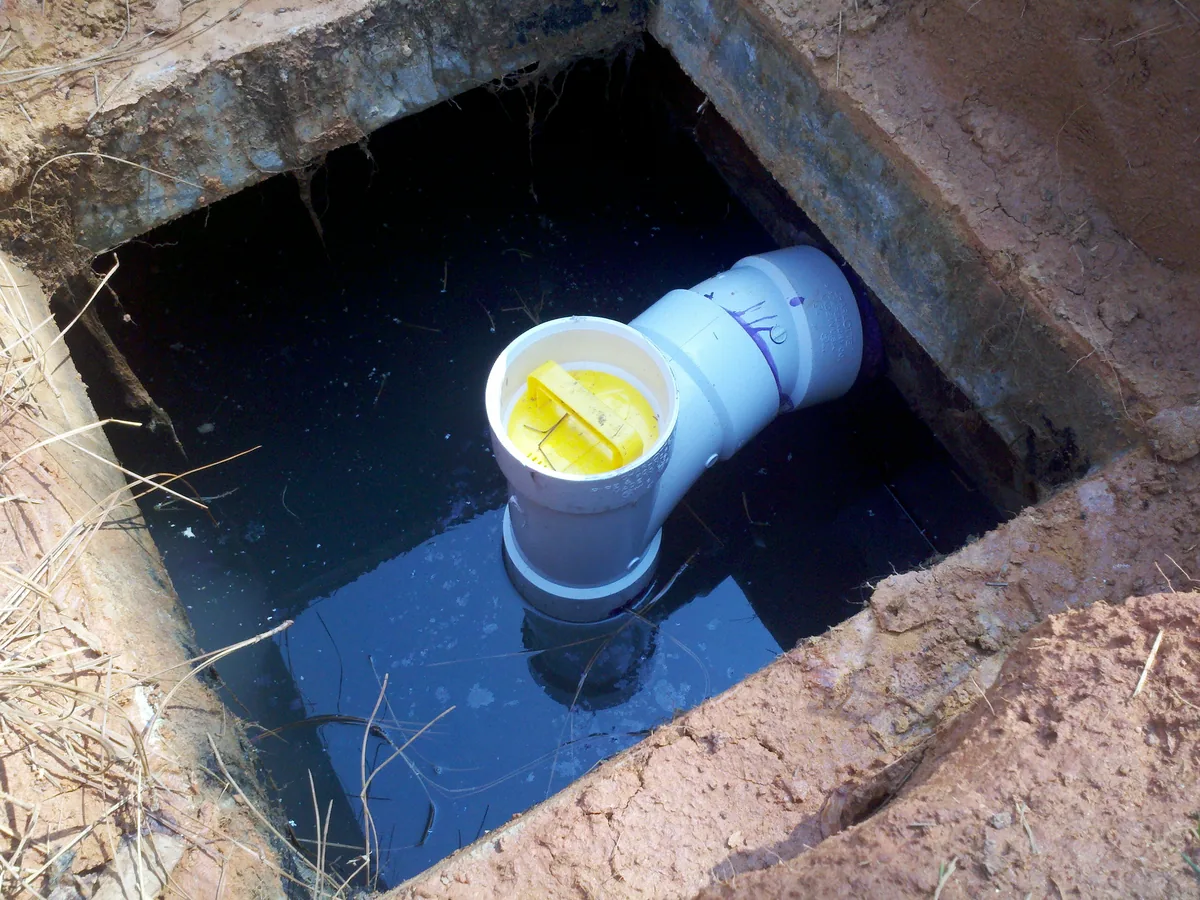
A septic inspection is a health check on the system you already own. We open the tank, measure the sludge and scum, and look at the lids, baffles and tees. Outside, we check the ground over the drainfield and test the pump, floats and alarm where the system has them. The findings go into a written report with photos, emailed to you as a PDF.
Most owners call for a plain reason. The house is new to them, nobody has opened the tank in years, or the same problem keeps coming back. Bravo Septic is based in Leander, licensed and insured, working Williamson County and north Travis County. Buying or selling a home is its own job on a tighter clock: our real estate septic inspection covers that.
Tell us what is going on with your system. We will call or text you back.
We start at the tank, because that is where the answers are. The lids come off and we look at the baffles and tees, the inlet and the outlet. We also look for signs the tank is not holding water. A missing outlet tee pushes solids into the drainfield, and the field is the costly part of the system.
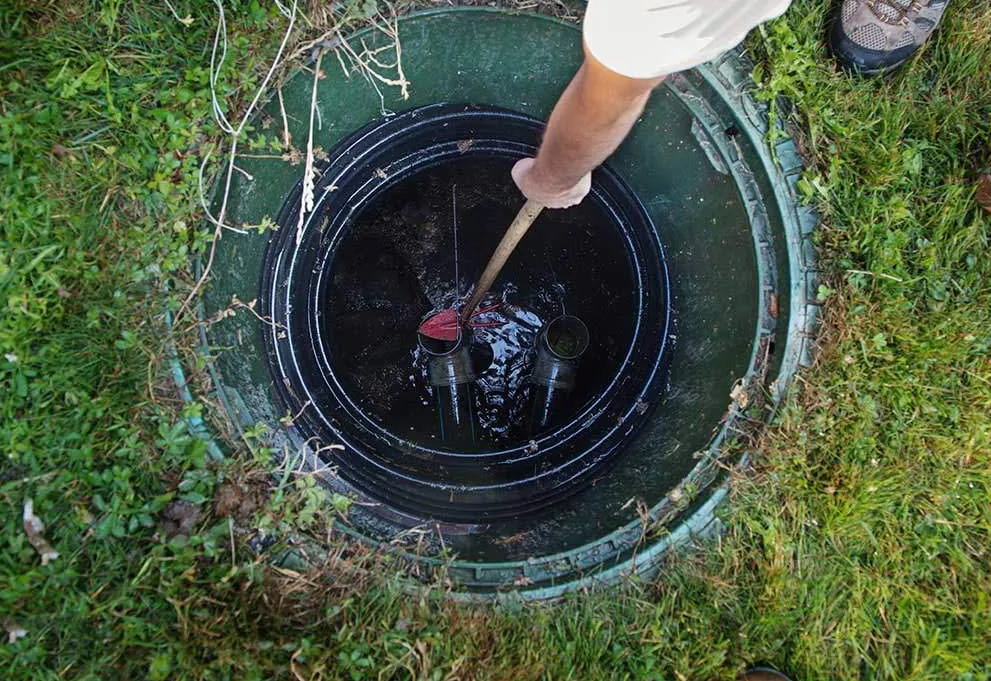
Then we measure the layers with a sludge tool. The EPA sets the pump-out line in two places. Scum counts when the bottom of that layer reaches within 6 inches of the bottom of the outlet. Sludge counts when the top of that layer is within 12 inches of the outlet.
A tank is also due when sludge and scum fill more than a quarter of the liquid depth. Outside, we check the ground over the drainfield for wet spots, odor and settling. Where the system has a pump tank, we check the pump, the floats and the alarm. The levels and the photos go in the report, so you see what we saw.
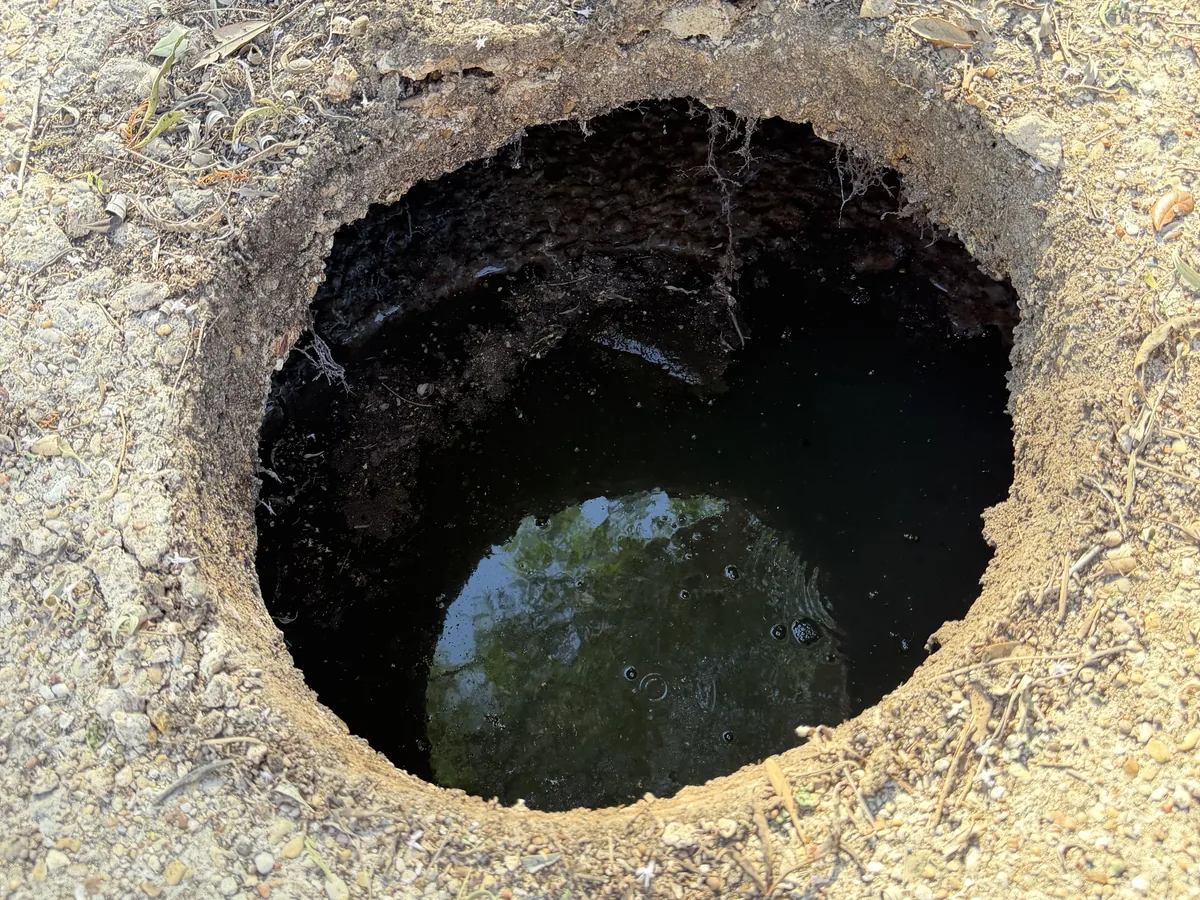
The most common reason is a house that is new to you. You inherit whatever the last owner did or skipped, and the tank comes with no service history. An inspection gives you a baseline for the tank and the field. If nobody knows where the lids are, finding the tank comes first.
The second reason is a problem that keeps coming back. The toilets gurgle when the washer drains, a shower runs slow, or the ground over the tank stays wet. Those symptoms have more than one cause, and an inspection sorts out which one you have.
Planning an addition is the third reason. Texas sizes a septic system by the bedroom count and the size of the house. Add a bedroom and the system has to carry more flow. The county's permitting office decides what that means, and an inspection tells you what you are starting with.
The ground here changes with the side of I-35 you are on. West of it, around Leander, Cedar Park and Liberty Hill, thin soil sits over Hill Country limestone. That is why so many lots out here run aerobic units with spray heads. East of it, around Hutto, Pflugerville and Manor, Blackland clay drains slowly and stays wet after a storm.
An aerobic system changes who does the inspecting. Texas requires an aerobic system to stay under maintenance, normally through a licensed maintenance provider. That provider handles its required service visits and the reports filed with the county. We pump aerobic tanks, and the inspection on this page is the owner's check on a conventional system.
Most owners pair the inspection with a septic tank pumping visit, since the tank has to be open anyway. We run our own vacuum pump truck and are a TCEQ-registered sludge transporter, so both happen on one trip. The report comes to you in writing with photos, emailed as a PDF. If something needs fixing, you get a quote before any work begins, and septic repair happens only on your OK.
A quote before any work begins, across Williamson County, north Travis County and the north shore of Lake Travis.
(512) 887-4458From the first call to the lids going back on, here is how it goes.
Call or text (512) 887-4458, or send the quote form. Tell us roughly when the tank was last pumped if you know.
You get the appointment window by text. If anything changes on our end, you hear from us first.
If you know where your lids are, tell us when you book. If not, we start at the sewer cleanout and probe from there.
The tank comes out empty. While it is open we clean the effluent filter and look at the baffles, inlet and outlet.
You get photos, the tank's condition and a realistic date for the next pump-out. Lids are resealed and the site is left the way we found it.
Common questions about septic inspections across Williamson County, north Travis County and the north shore of Lake Travis. If yours is not here, call and ask.
A full septic inspection on a transaction timeline, run with the tank pumped so the inside can be seen. The county permit record gets pulled, and the findings are explained to the buyer, the seller or the agent.
Learn More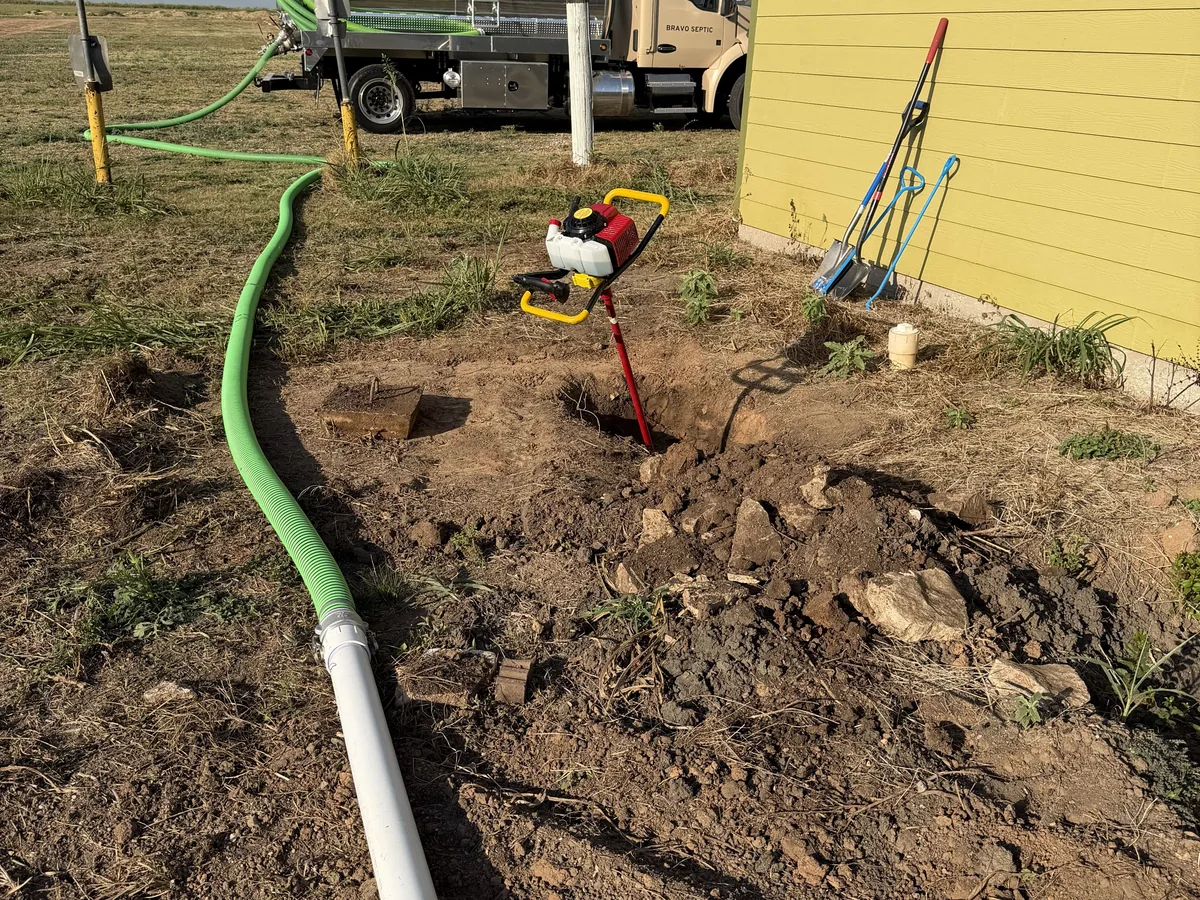
Bravo Septic finds septic tanks and lids when the owner has no idea where they are. We pull the county permit record, then probe out from the sewer cleanout.
Learn More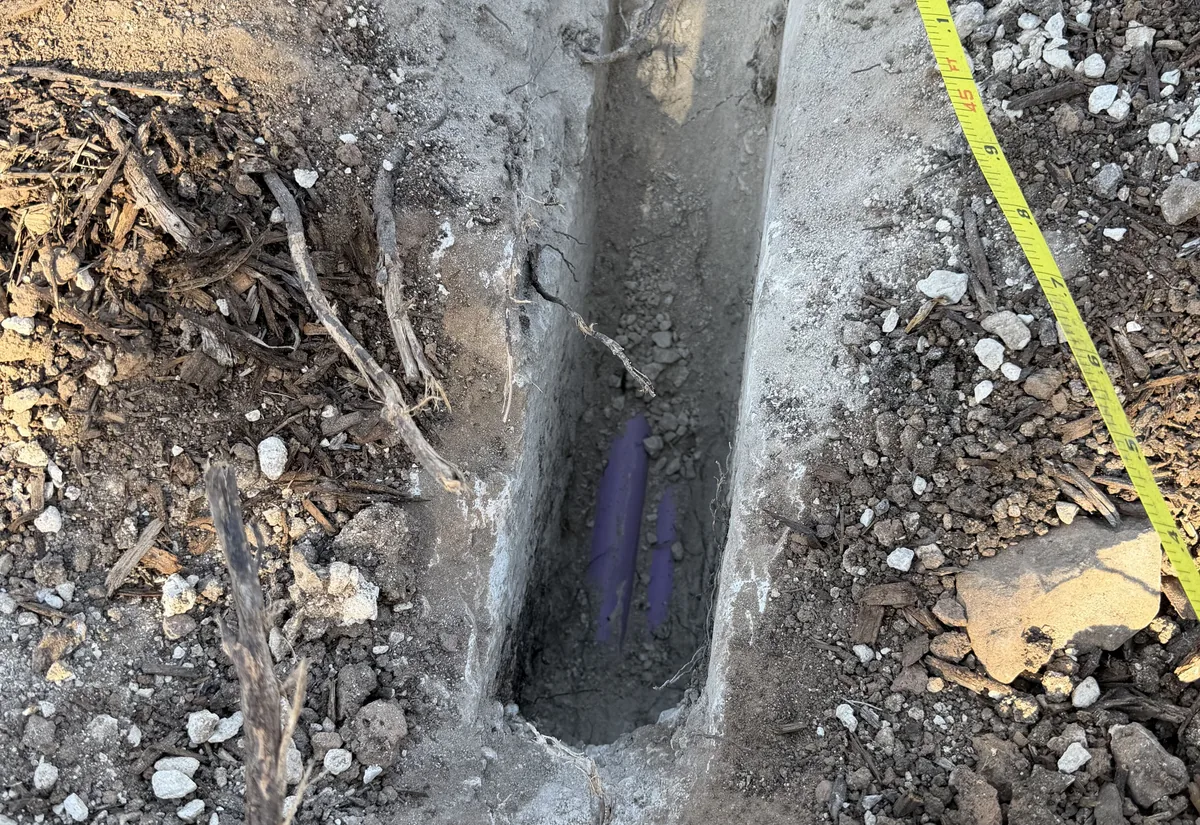
Septic repair across Williamson County and north Travis County, from baffles and tees to lids, filters, pumps and lines. We find the cause first, then quote the repair before any work begins.
Learn MoreYou get the number before we start, and the quoted price is what you pay for that scope. If something else turns up once the tank is open, you get a separate quote first.
Every compartment in the tank gets emptied. While it is open we clean the effluent filter and check the baffles, inlet and outlet.
You get photos of the inside of your tank and a plain rundown of its condition. We also give you a realistic date for the next pump-out.
Our own vacuum pump truck works about 30 miles around Leander. Cedar Park, Liberty Hill, Georgetown, Round Rock and the north shore of Lake Travis are all in range.
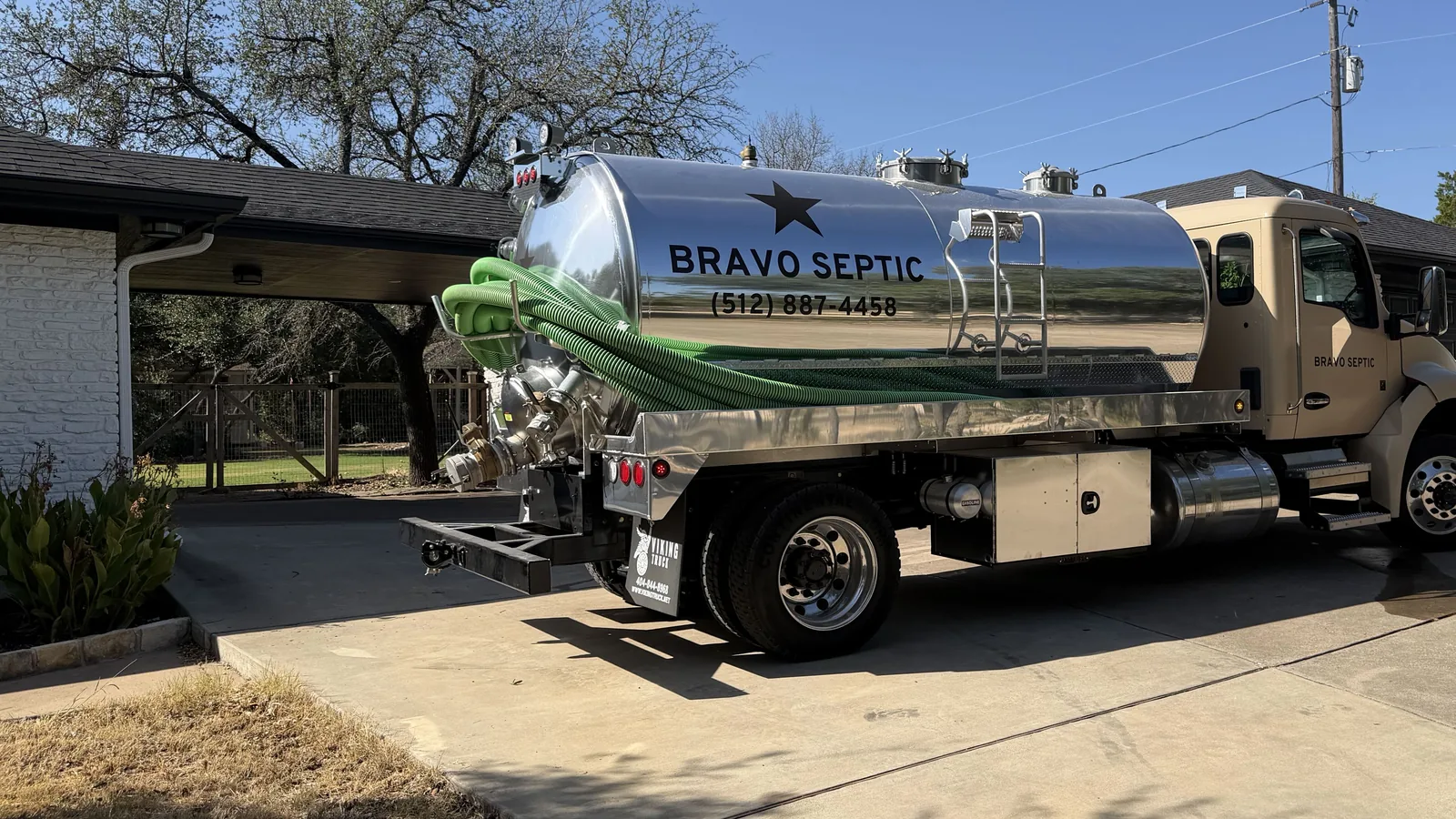
Septic inspection when buying a house in Texas: what it costs, how the option period works and what fails. Bravo Septic, Leander. Call (512) 887-4458.
Read more →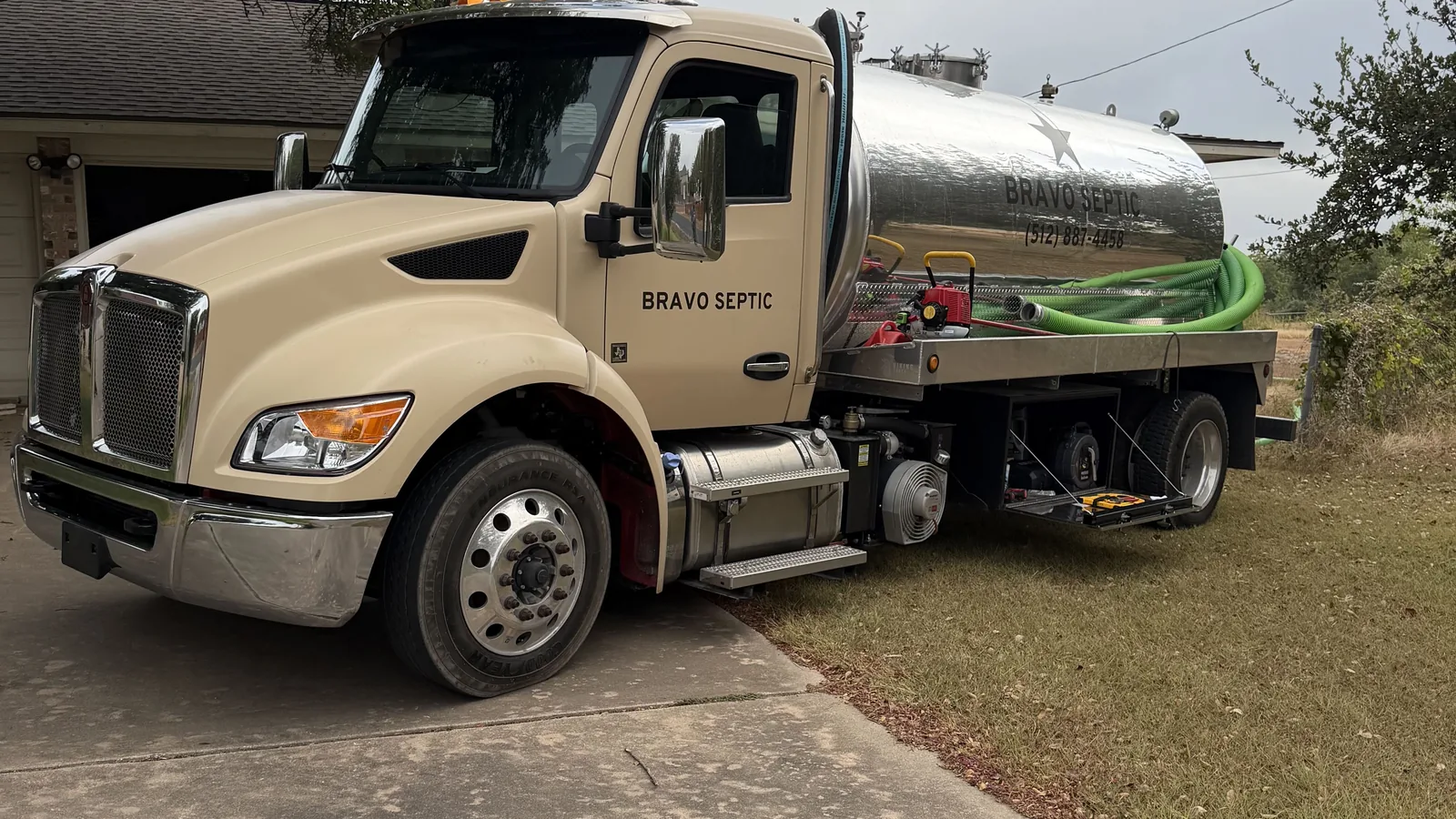
What a new septic system costs to install in Texas: published ranges for conventional and aerobic systems, county permit fees and tank sizing rules.
Read more →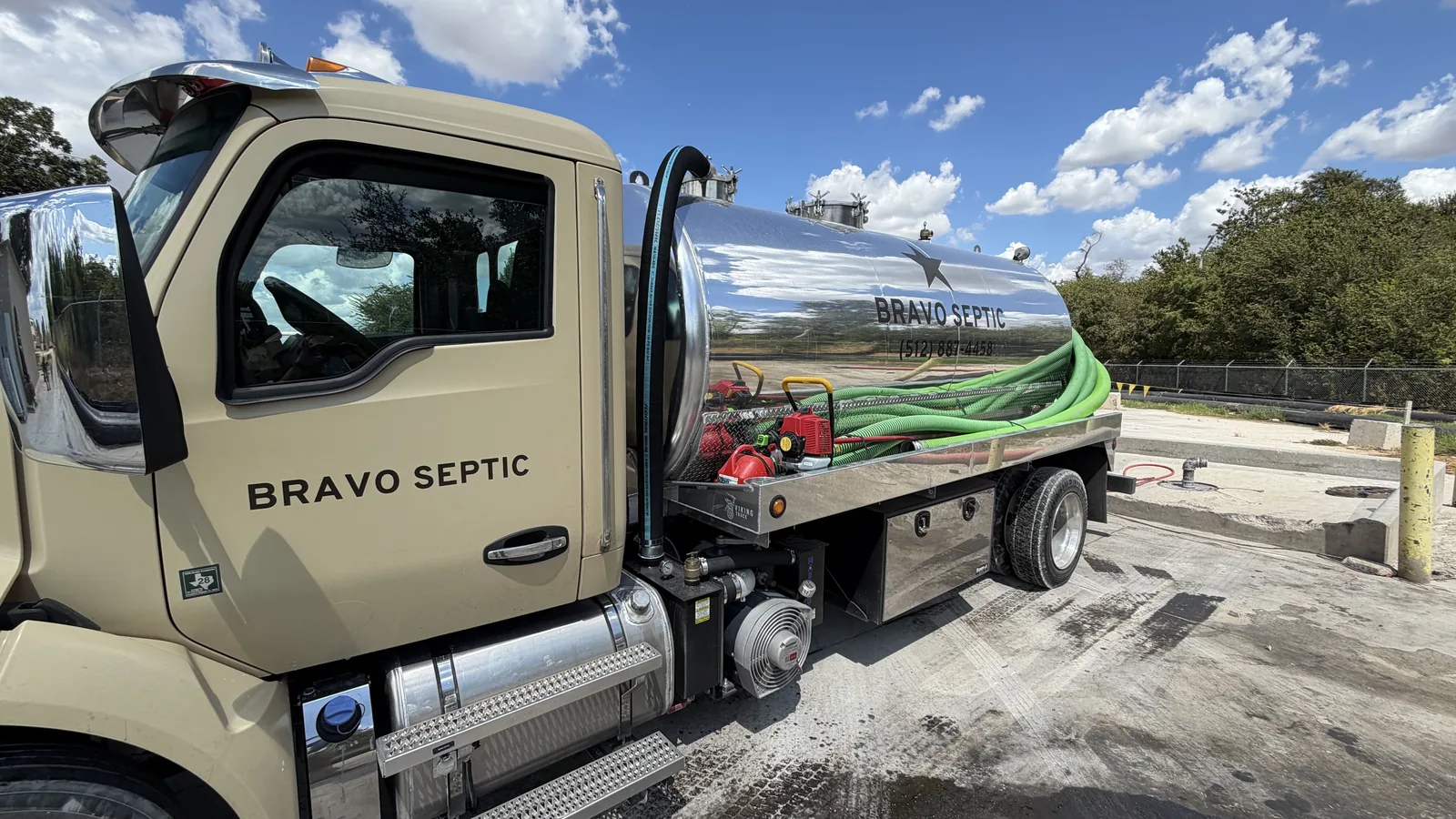
Septic tank maintenance in Texas: how often to pump, the signs a tank is full, what not to flush, and how to protect your drainfield. Call (512) 887-4458.
Read more →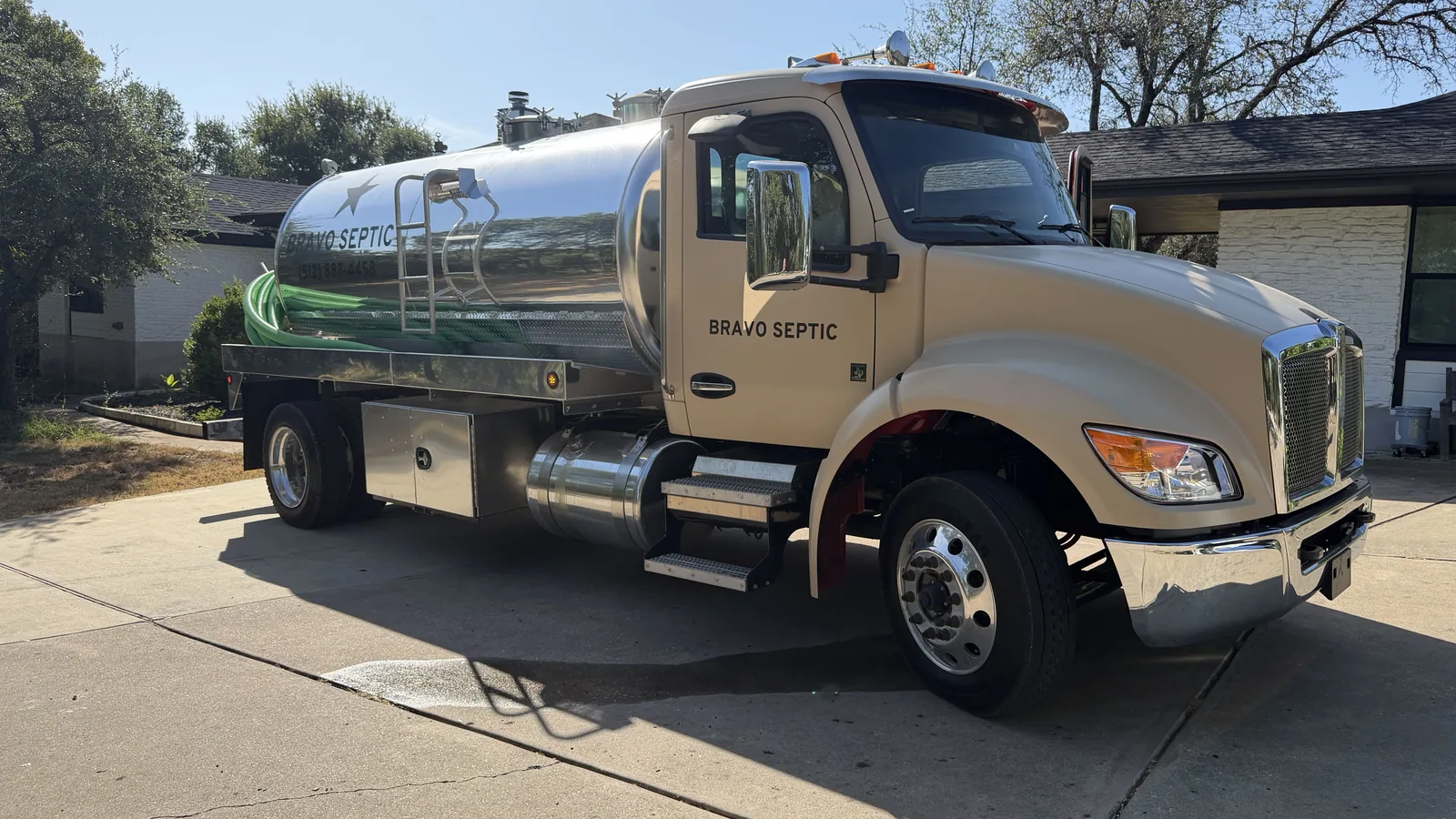
Septic tank pumping cost in Texas: published market ranges by tank size, what drives the price, and how often to pump. Call Bravo Septic at (512) 887-4458.
Read more →Tell us what the system is doing and when it was last pumped, and we will quote the job. You can also call or text (512) 887-4458.
Tell us what is going on with your system. We will call or text you back.