Drain Field Repair
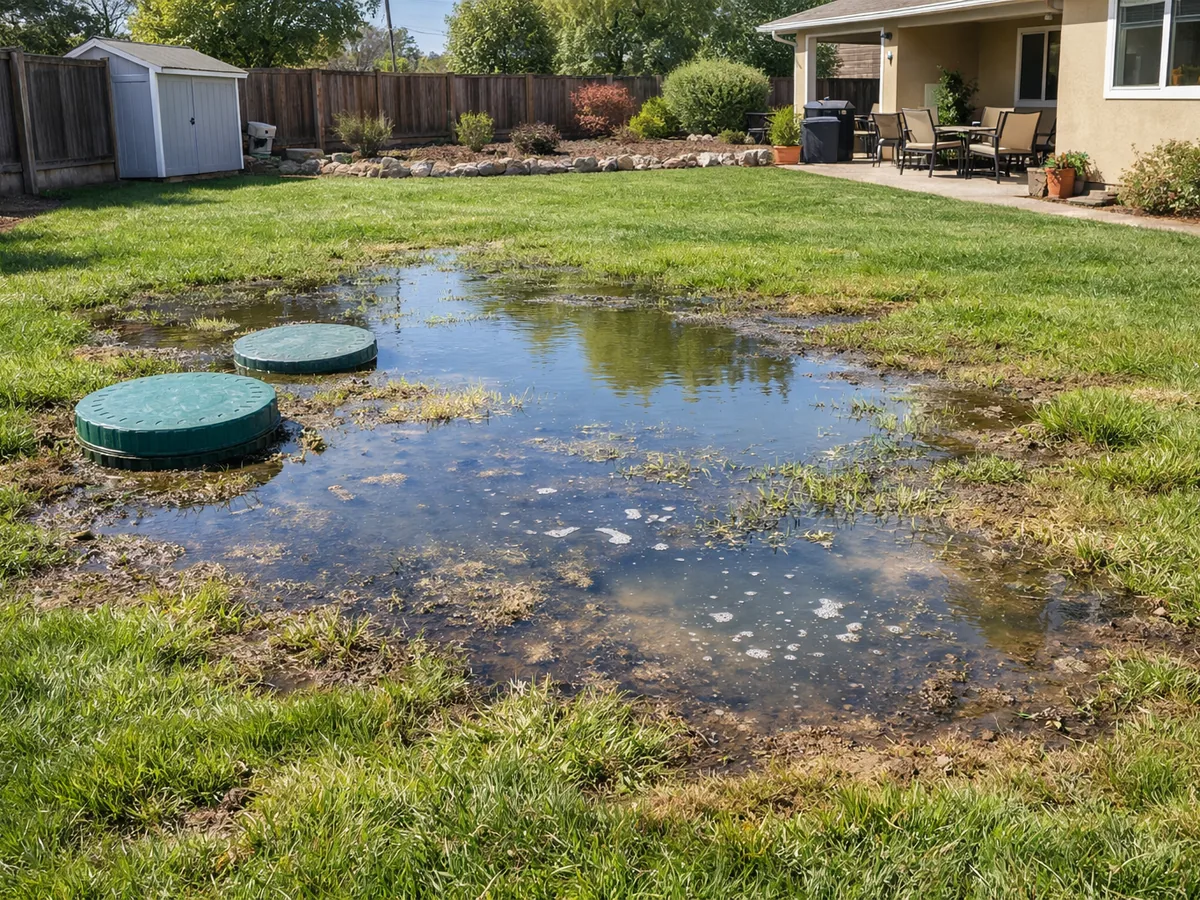
Wet ground, odor or soggy spots over the field get diagnosed before anything is dug up. We repair lines and fittings, and replace failed conventional fields under a county permit.
Learn More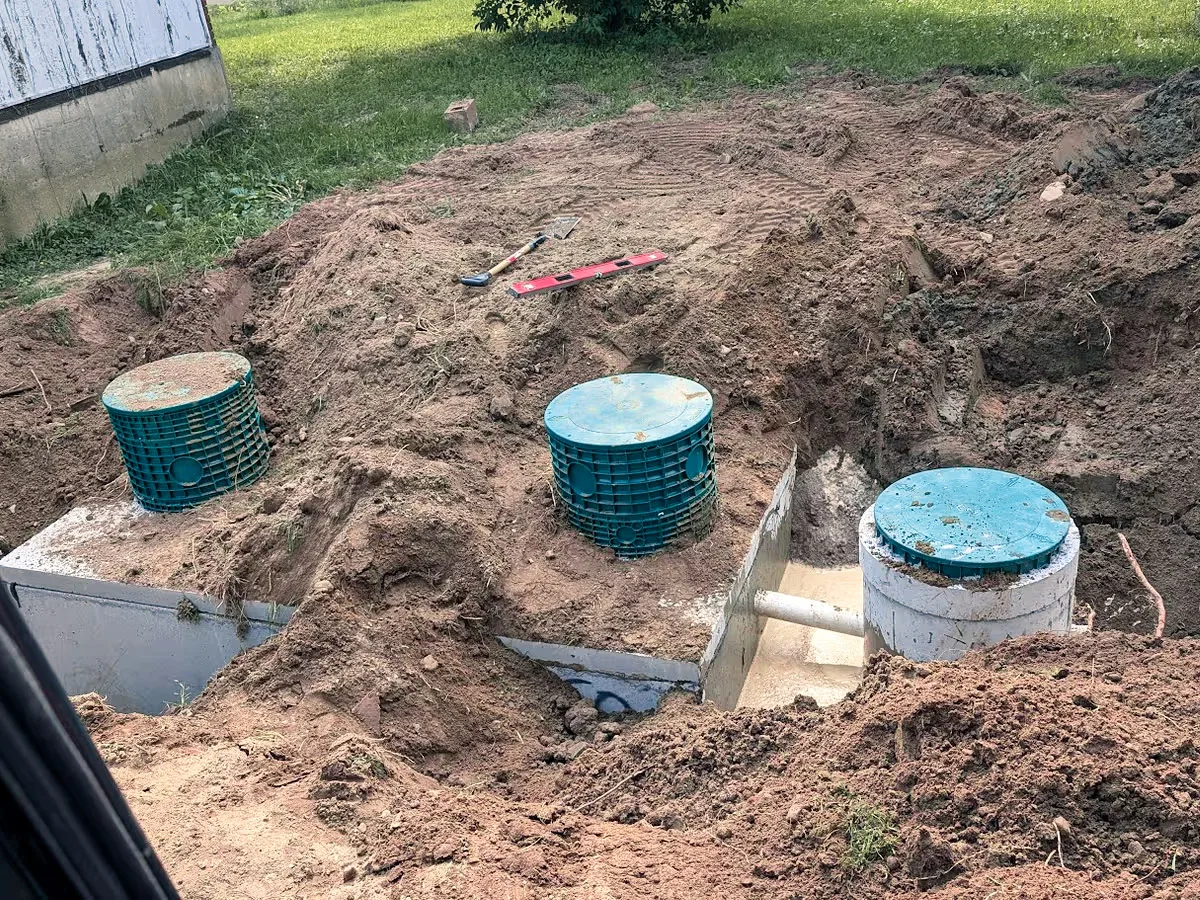
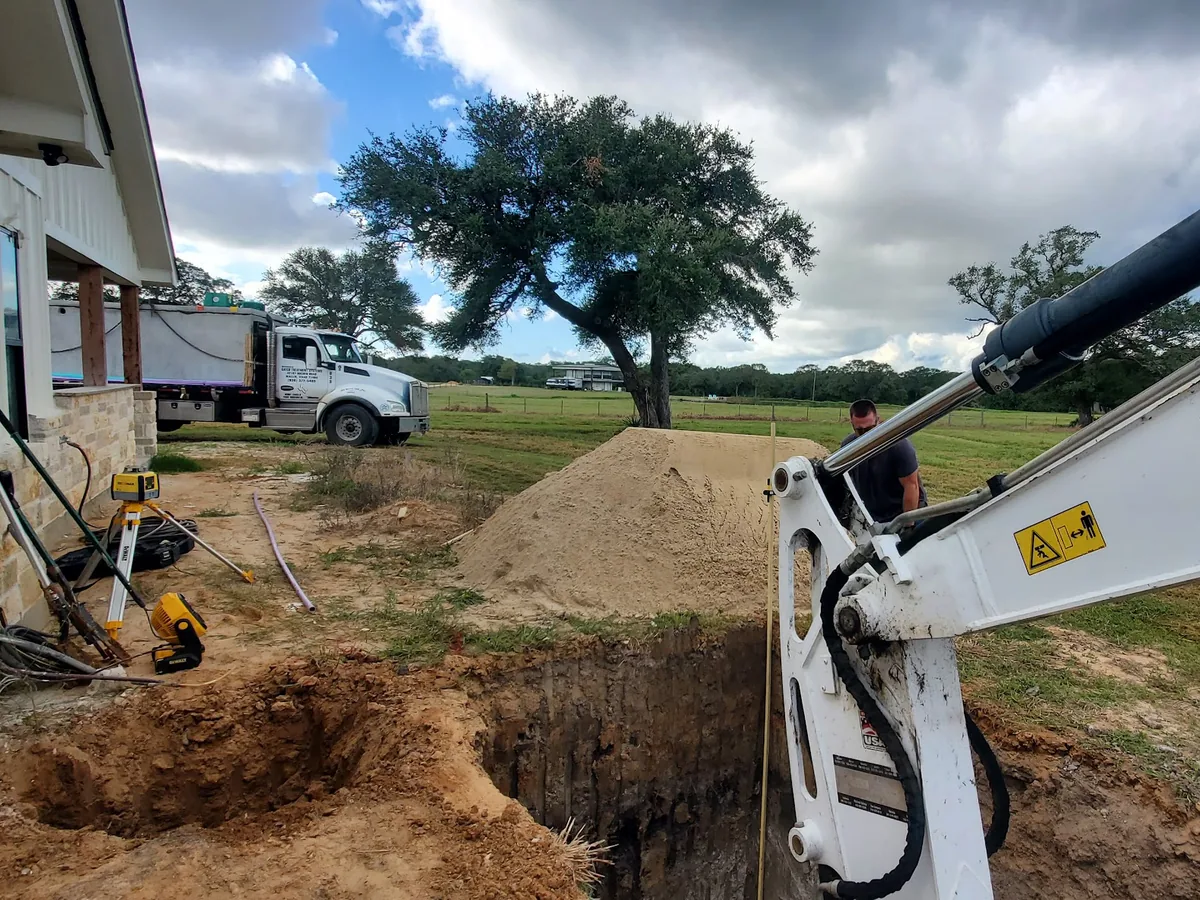
Septic system installation starts with the ground, not the tank. Bravo Septic installs new conventional septic systems and replaces failed ones for homes around Leander. A soil report decides what your lot can take. That report comes before any design or price.
Bravo Septic is licensed and insured, and we are a TCEQ-licensed OSSF installer for standard systems. That covers the conventional septic tank and drainfield most workable lots get. We build new systems, replace failed ones, and swap tanks when the field below still works. If the field is the failed part, start at drain field repair; one bad component is often just septic repair.
Tell us what is going on with your system. We will call or text you back.
Texas requires a permit and an approved plan to build, alter or repair a septic system. Local offices issue those permits as TCEQ's authorized agents. In Williamson County the County Engineer's Office runs the on-site sewage facility program. Which office covers your address depends on where the property sits.
The file starts with a site evaluation. A licensed site evaluator or professional engineer digs two test holes at the planned drainfield. What the soil shows sets the system type and its size. Anything past a standard system must be designed by an engineer or a registered sanitarian.
We do not do the evaluation or the design, and we line those up and carry the permit paperwork. When the county approves the application, it issues an authorization to construct, and the digging starts. The installer gives the office notice before the system is ready for inspection. After it passes, the county issues the notice of approval, the written permission to use the system.
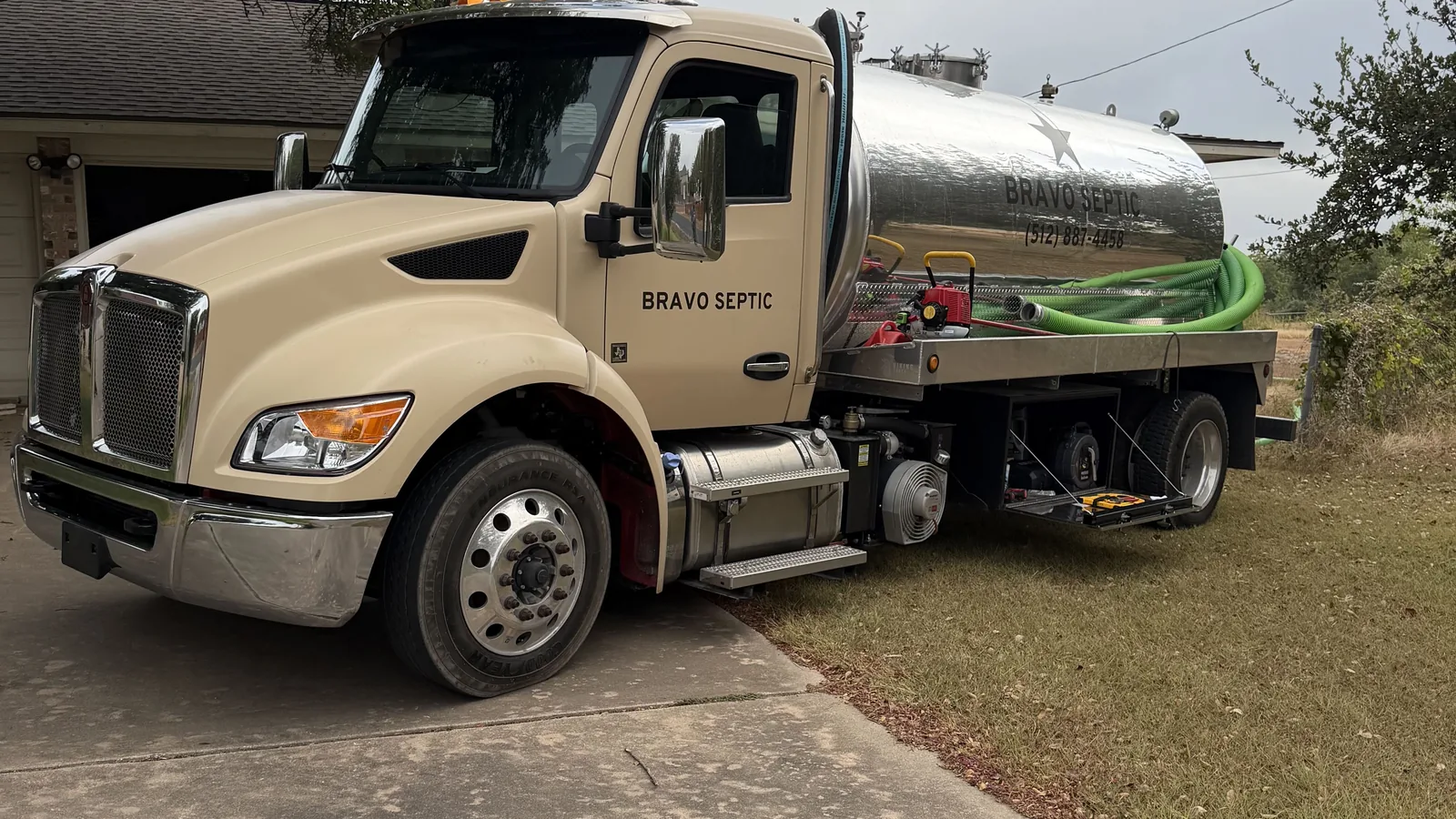
Sometimes the tank is the failed part and the field below still works. A cracked tank or a collapsed baffle can be reason enough to replace the tank alone. State rules say a tank going out of service gets pumped by a registered transporter, then filled. We are a TCEQ-registered sludge transporter, and our own truck does that septic tank pumping.
Tank size comes out of a state table that starts from the bedroom count and the square footage. A three bedroom home under 2,500 square feet counts as 300 gallons a day without water saving fixtures. That sets a minimum tank of 1,000 gallons. Four bedrooms under 3,500 square feet moves it to 1,250.
Because bedrooms drive that number, adding one changes the math. A new bedroom or a shop apartment can push a house into a bigger tank and more drainfield. That is a permit question before it is a construction question. If you are buying a place, a septic inspection tells you what is already in the ground.
A conventional drainfield needs workable soil under it. The rules want two feet of suitable soil below the field before it reaches rock or groundwater. Clay subsoil and rock both count as restrictive horizons. Soil class sets the size of the field, and heavy clay carries the lowest loading rate in the table.
On many lots here the site evaluation calls for an aerobic or other non-standard system. Those installs take an installer licensed for non-standard systems, a TCEQ Installer II. We tell you what your site evaluation means before you spend money. We install the system when a standard design fits the lot.
Much of the ground west of I-35 is shallow rock. Around Leander and Liberty Hill the limestone sits close to the surface. East of I-35 around Hutto and Manor, the Blackland clay drains slowly and swells when it gets wet. Two lots a mile apart can get two different answers, and the site evaluation settles it.
A quote before any work begins, across Williamson County, north Travis County and the north shore of Lake Travis.
(512) 887-4458From the first call to the lids going back on, here is how it goes.
Call or text (512) 887-4458, or send the quote form. Tell us roughly when the tank was last pumped if you know.
You get the appointment window by text. If anything changes on our end, you hear from us first.
If you know where your lids are, tell us when you book. If not, we start at the sewer cleanout and probe from there.
The tank comes out empty. While it is open we clean the effluent filter and look at the baffles, inlet and outlet.
You get photos, the tank's condition and a realistic date for the next pump-out. Lids are resealed and the site is left the way we found it.
Common questions about septic installation across Williamson County, north Travis County and the north shore of Lake Travis. If yours is not here, call and ask.
Wet ground, odor or soggy spots over the field get diagnosed before anything is dug up. We repair lines and fittings, and replace failed conventional fields under a county permit.
Learn More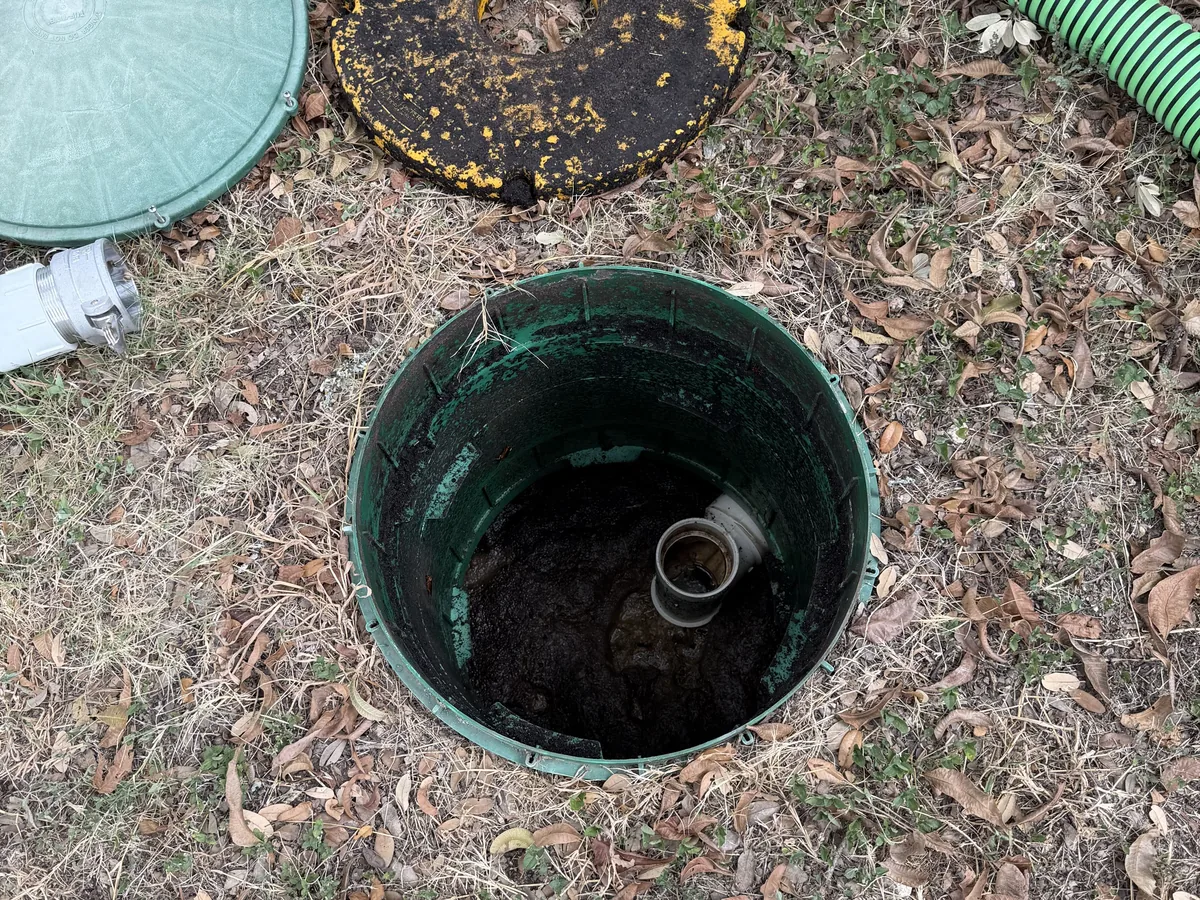
A septic inspection for owners who want to know where the system stands. We measure sludge and scum, check the tank and the field, and send a written report with photos.
Learn More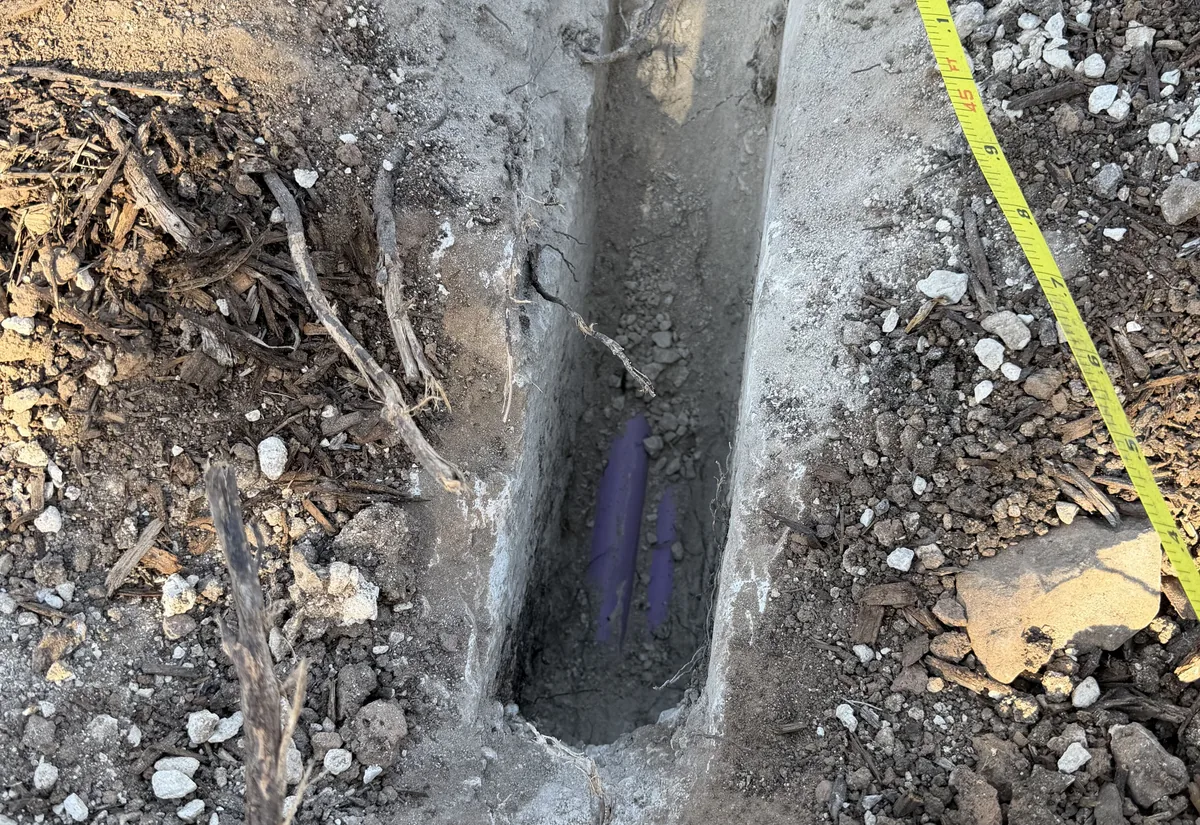
Septic repair across Williamson County and north Travis County, from baffles and tees to lids, filters, pumps and lines. We find the cause first, then quote the repair before any work begins.
Learn MoreYou get the number before we start, and the quoted price is what you pay for that scope. If something else turns up once the tank is open, you get a separate quote first.
Every compartment in the tank gets emptied. While it is open we clean the effluent filter and check the baffles, inlet and outlet.
You get photos of the inside of your tank and a plain rundown of its condition. We also give you a realistic date for the next pump-out.
Our own vacuum pump truck works about 30 miles around Leander. Cedar Park, Liberty Hill, Georgetown, Round Rock and the north shore of Lake Travis are all in range.
Tell us what the system is doing and when it was last pumped, and we will quote the job. You can also call or text (512) 887-4458.
Tell us what is going on with your system. We will call or text you back.