Septic Repair
Septic repair across Williamson County and north Travis County, from baffles and tees to lids, filters, pumps and lines. We find the cause first, then quote the repair before any work begins.
Learn More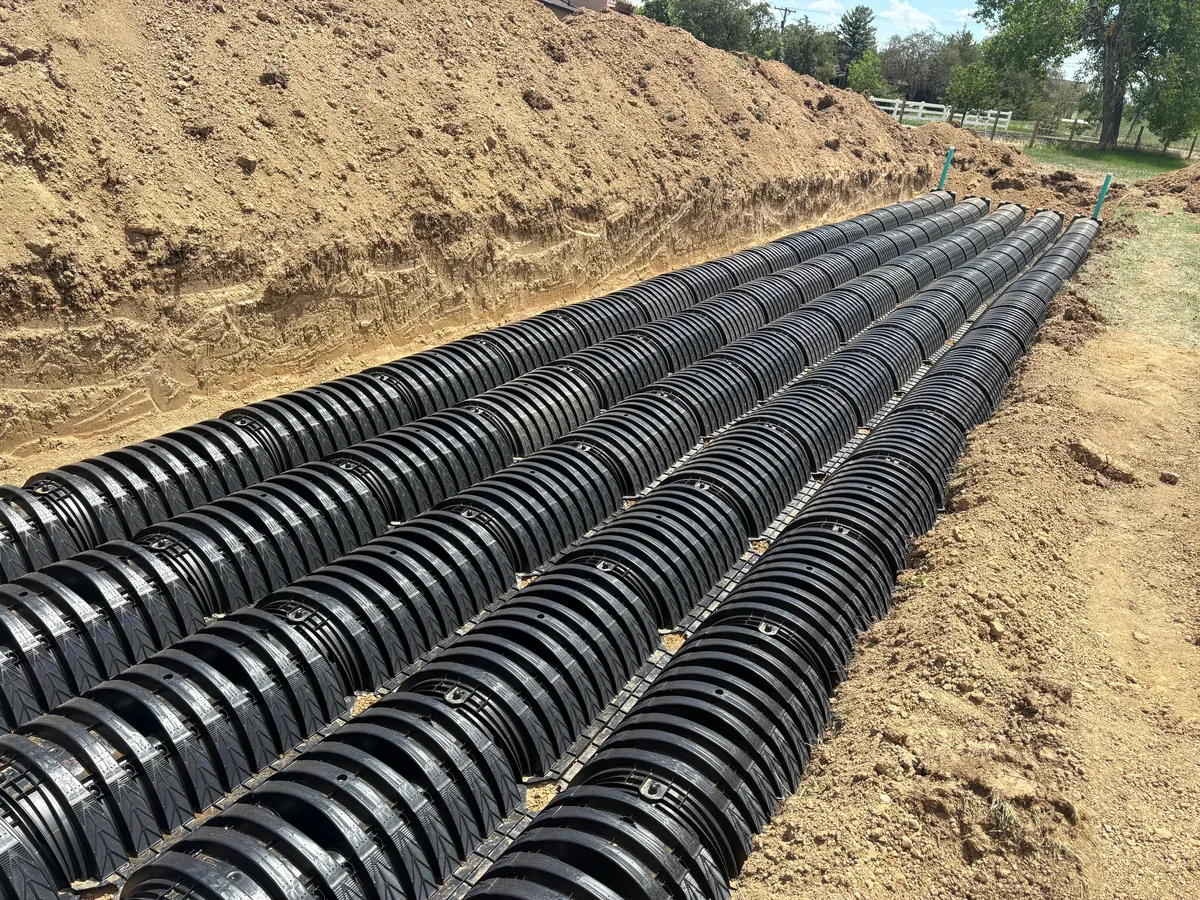
A wet, smelly patch over the drain field means the system is not moving water the way it should. Drain field repair starts with finding out why, because three different problems look the same at the surface. The tank may be overdue and pushing solids out into the field. Water use may have outrun the field, or the field itself may be worn out.
So we open the tank first. A septic tank pump-out shows us the sludge level, the outlet baffle and the effluent filter. That one step tells us more about a wet field than anything else on the property. Call (512) 887-4458 and tell us what the yard is doing.
Tell us what is going on with your system. We will call or text you back.
Three things cause most of it. The tank is overdue, and solids have pushed out into the lines. Water use has outrun what the field can take in a day. Or the field itself has reached the end of its working life.
Telling them apart takes the tank open. We pump it, measure the sludge and scum, and look at the outlet baffle and the effluent filter. A broken baffle or a filter nobody has cleaned sends solids straight out to the field. Then we look at water use in the house and probe the field to map the wet area.
Sewage on the surface is a health hazard. Keep people and pets off the wet ground, and cut water use in the house until we get there. If it is backing up indoors, that is emergency septic service, and urgent problems get priority on the schedule.
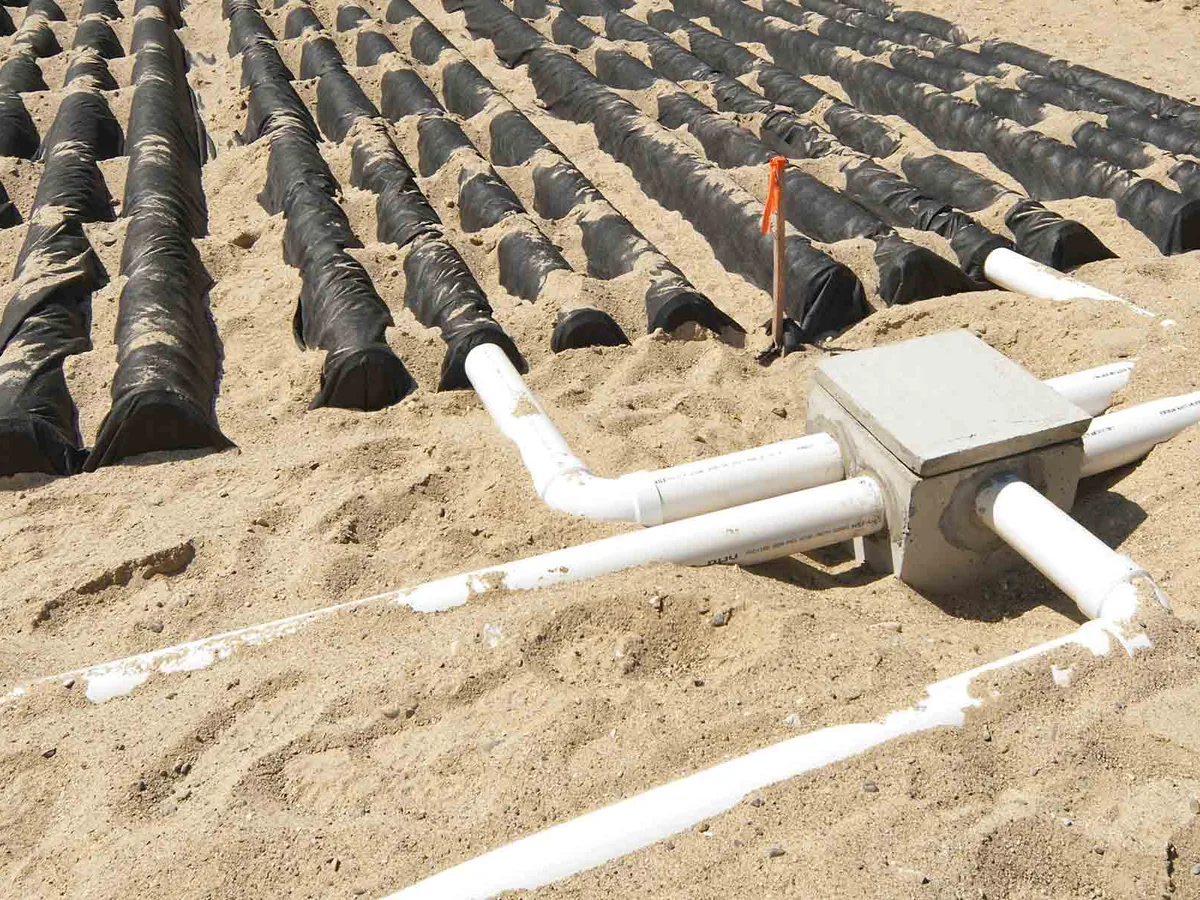
Some field problems are mechanical, and those are repairs. A line can be crushed under a truck or a trailer. A fitting can let go, or a distribution box can settle so one line takes all the flow. We open that spot, repair it, and the rest of the field goes back to work.
When the tank was the cause, pumping it and fixing the outlet side stops the damage. Whether the field comes back depends on how long solids were feeding into it. Some fields drain normally again after a stretch of light water use, and some do not. That tank side work is septic repair, and you get a quote before any work begins.
A field that has reached the end is a different job. The soil in the trenches has sealed up, and no pipe repair changes that. When the tank is sound, we replace the field with a new conventional one under a county permit. Repair workmanship is warranted for one year and installation workmanship for two years.
Ground around here changes within a few miles, and the field feels it. West of I-35, through Leander, Cedar Park, Liberty Hill and the Lake Travis shore, the soil is thin over limestone. On the Edwards Plateau limestone the USDA maps soils like Tarrant at 6 to 20 inches deep to bedrock. A drain field needs soil under it to absorb and treat water, so those lots start with less.
East of I-35, out toward Round Rock, Hutto, Pflugerville and Manor, it is Blackland Prairie clay. The soil survey rates the Houston Black clay there as very slowly permeable. It takes water in quickly only when it is dry and cracked. So a wet week closes those cracks, and the field has nowhere to send what the house sends it.
The soil decides what a lot can take, and Texas requires a licensed site evaluator to look at it. On shallow rock or heavy clay, the evaluation often calls for an aerobic or other non-standard system. Those take an installer licensed for non-standard systems, and we tell you when that is your answer. We are a TCEQ-licensed OSSF installer for standard systems, so septic system installation here means conventional tanks and conventional fields.
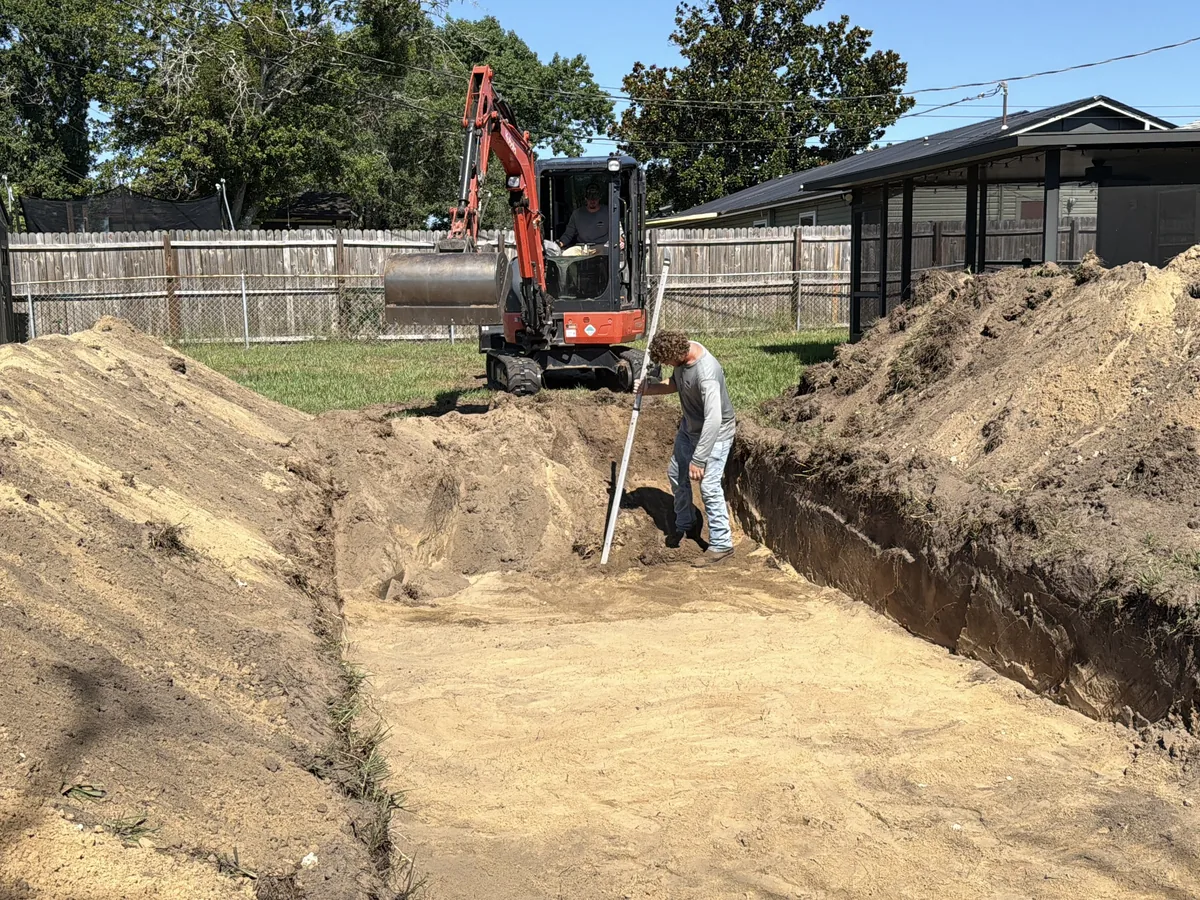
A quote before any work begins, across Williamson County, north Travis County and the north shore of Lake Travis.
(512) 887-4458From the first call to the lids going back on, here is how it goes.
Call or text (512) 887-4458, or send the quote form. Tell us roughly when the tank was last pumped if you know.
You get the appointment window by text. If anything changes on our end, you hear from us first.
If you know where your lids are, tell us when you book. If not, we start at the sewer cleanout and probe from there.
The tank comes out empty. While it is open we clean the effluent filter and look at the baffles, inlet and outlet.
You get photos, the tank's condition and a realistic date for the next pump-out. Lids are resealed and the site is left the way we found it.
Common questions about drain field repair across Williamson County, north Travis County and the north shore of Lake Travis. If yours is not here, call and ask.
Septic repair across Williamson County and north Travis County, from baffles and tees to lids, filters, pumps and lines. We find the cause first, then quote the repair before any work begins.
Learn More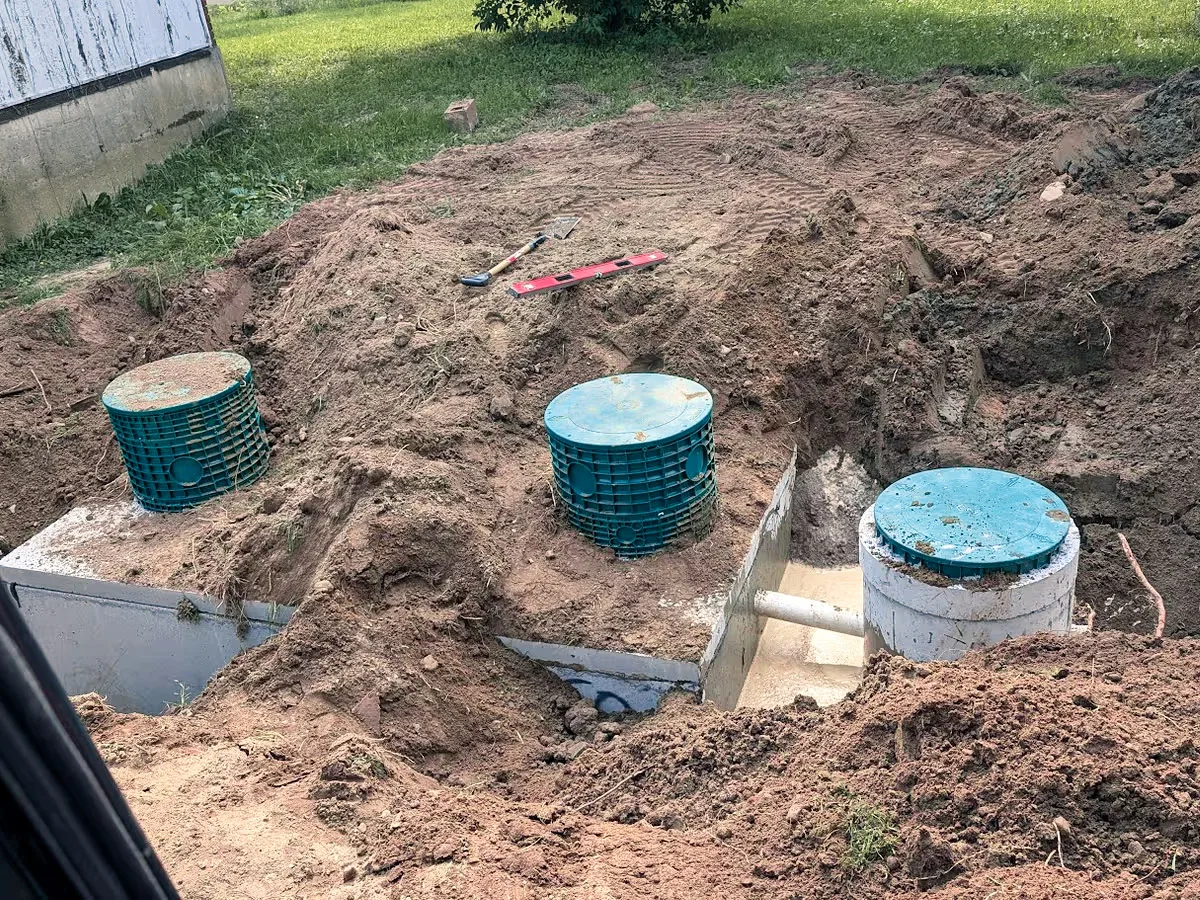
Bravo Septic installs new conventional septic systems and replaces failed ones across Williamson County. We handle the county permit paperwork and build what the approved design calls for.
Learn More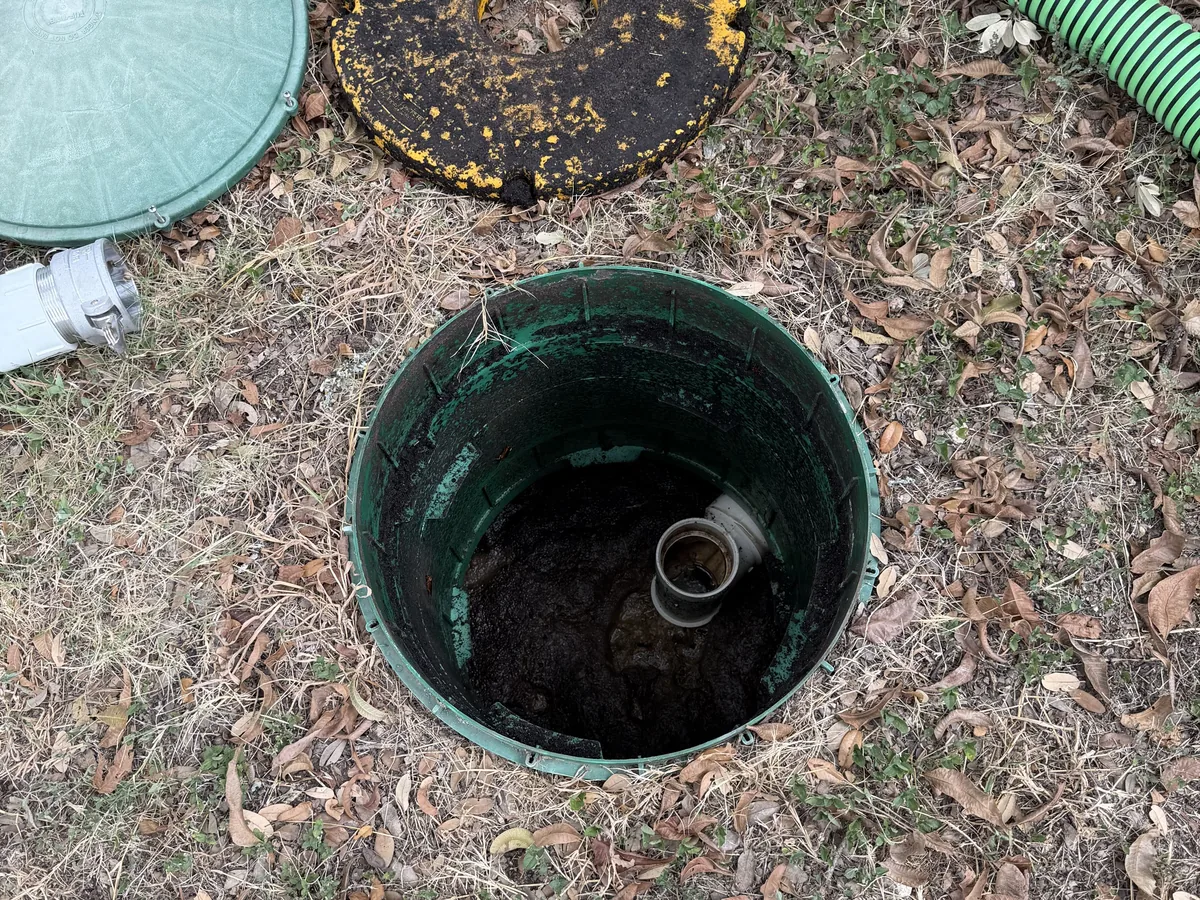
A septic inspection for owners who want to know where the system stands. We measure sludge and scum, check the tank and the field, and send a written report with photos.
Learn MoreYou get the number before we start, and the quoted price is what you pay for that scope. If something else turns up once the tank is open, you get a separate quote first.
Every compartment in the tank gets emptied. While it is open we clean the effluent filter and check the baffles, inlet and outlet.
You get photos of the inside of your tank and a plain rundown of its condition. We also give you a realistic date for the next pump-out.
Our own vacuum pump truck works about 30 miles around Leander. Cedar Park, Liberty Hill, Georgetown, Round Rock and the north shore of Lake Travis are all in range.
Tell us what the system is doing and when it was last pumped, and we will quote the job. You can also call or text (512) 887-4458.
Tell us what is going on with your system. We will call or text you back.