Who permits a septic system in Georgetown?
The Williamson County Engineer's Office runs the on-site sewage facility program in Georgetown. TCEQ authorized the county to do it. The county covers every Williamson County address except the parts inside the City of Austin. That office works out of Georgetown, on SE Inner Loop.
It matters as soon as something needs fixing. Texas requires a permit to alter, repair or extend a septic system. A narrow emergency repair rule covers items like tank lids, inlet and outlet devices and risers. Those repairs get reported to the county in writing within 72 hours.
Permit records are their own small project. Copies come through an open records request to the county OSSF office. The file usually holds the site drawing that shows where the tank and the drainfield sit. That drawing saves a lot of digging.
Limestone on one side of town, black clay on the other
Georgetown straddles the Balcones Escarpment. West of town the ground is Hill Country limestone with thin soil over rock. East of town it is Blackland Prairie clay, black and slow to drain. Texas AgriLife Extension says only nonstandard drain fields can be used in clay.
Part of Georgetown also sits over the Edwards Aquifer Recharge Zone, inside the city limits and out in the ETJ. The city has its own water quality acknowledgement form for building over it. Texas adds septic rules there too. A new system on the recharge zone needs at least one acre per single family home.
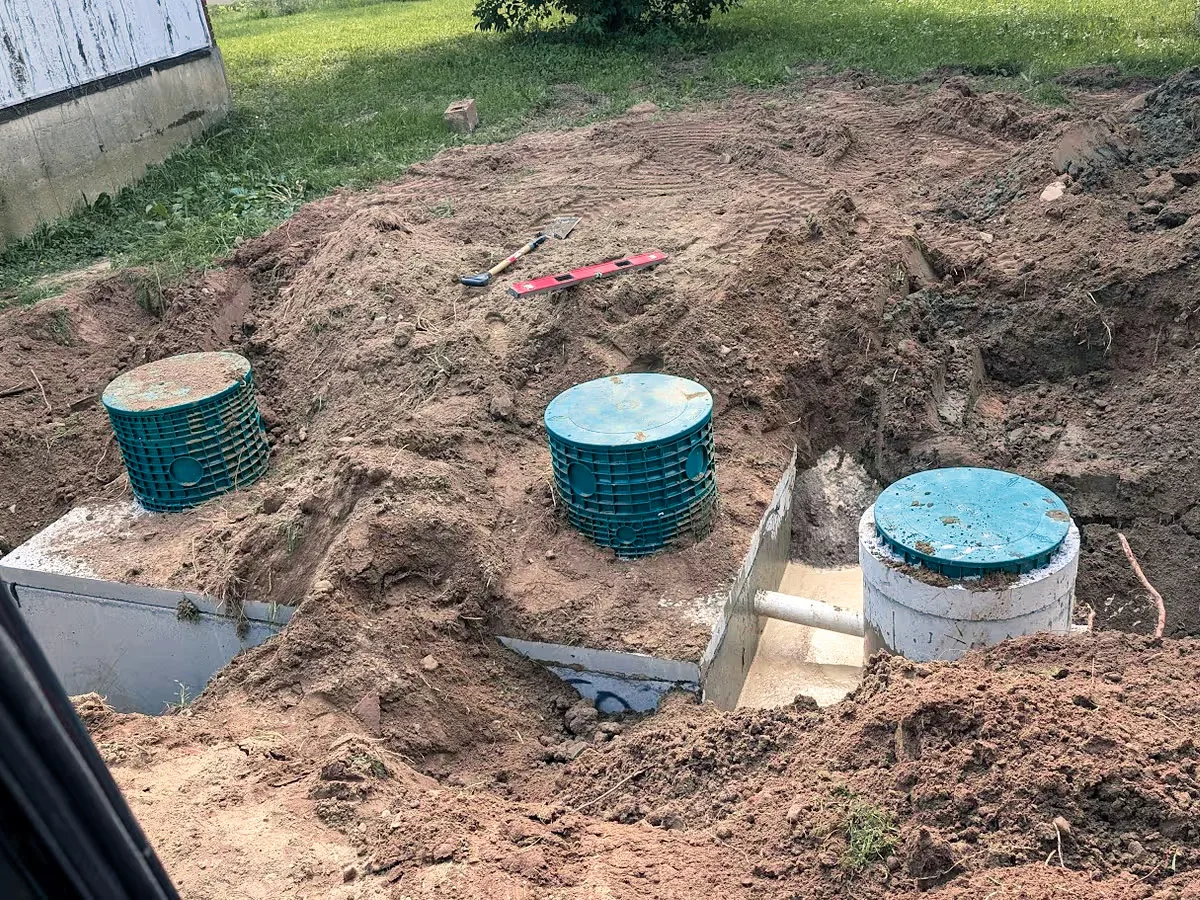
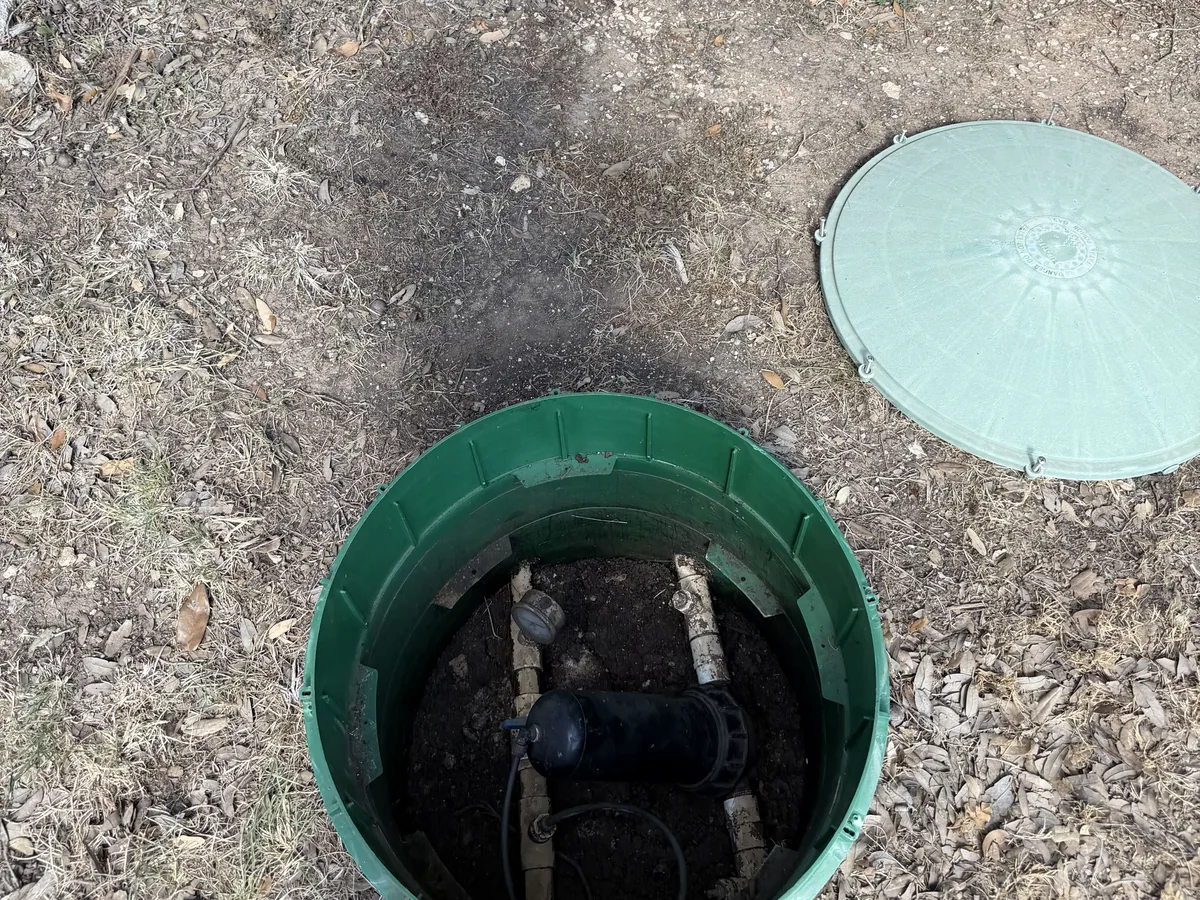
Williamson County issued 490 authorizations for new septic systems in 2025. Only 17 of them were standard trench or bed systems. Most of the rest were spray or drip, which need advanced treatment ahead of them. Those systems carry more tanks and more compartments, and we pump them.
Septic tank pumping on Georgetown acreage
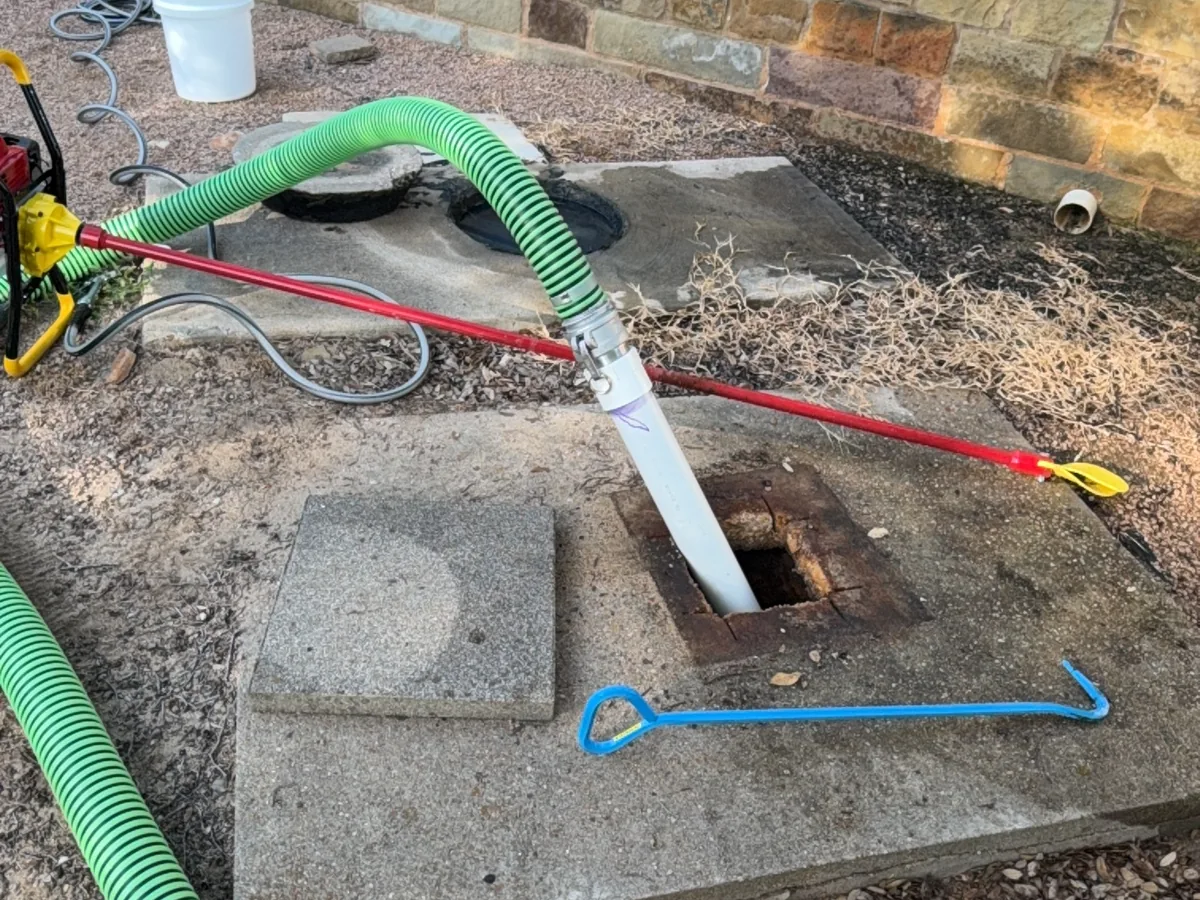
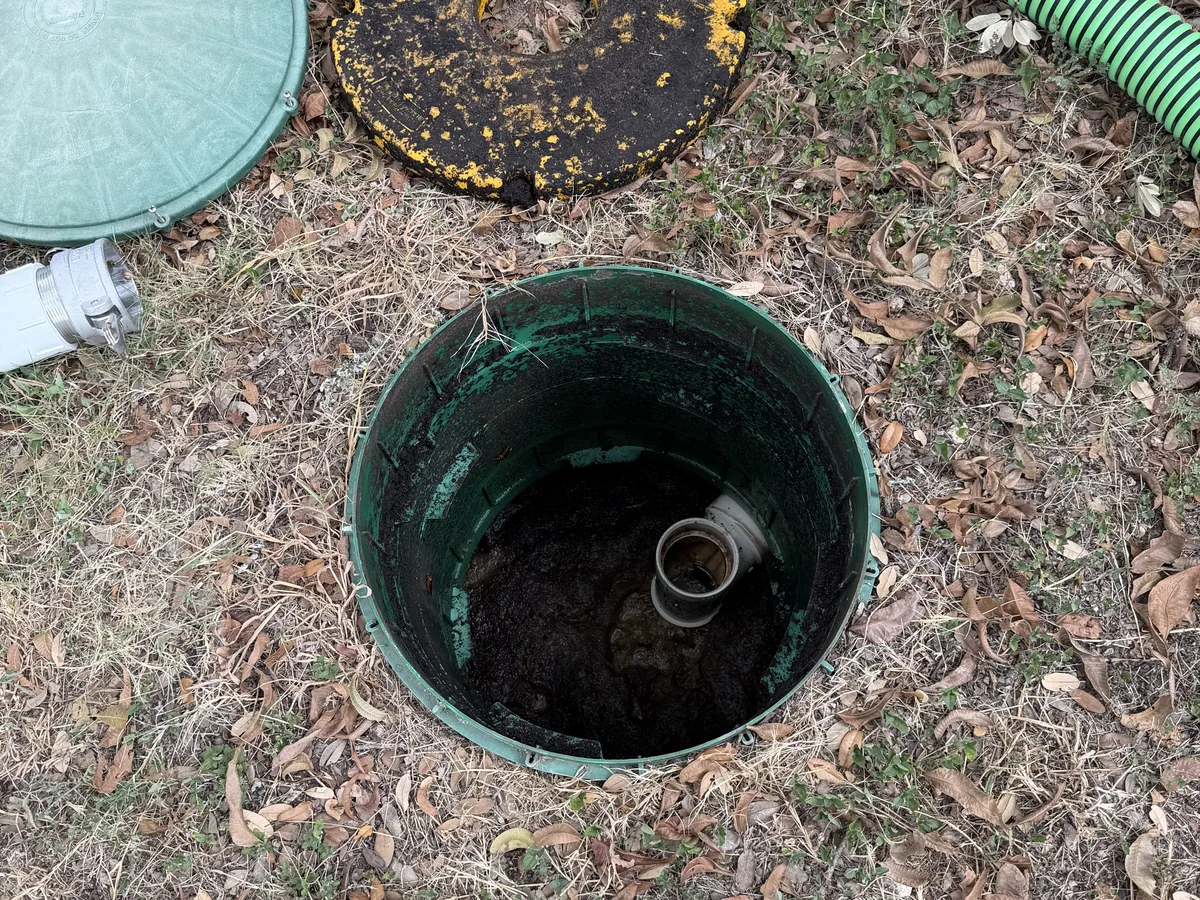
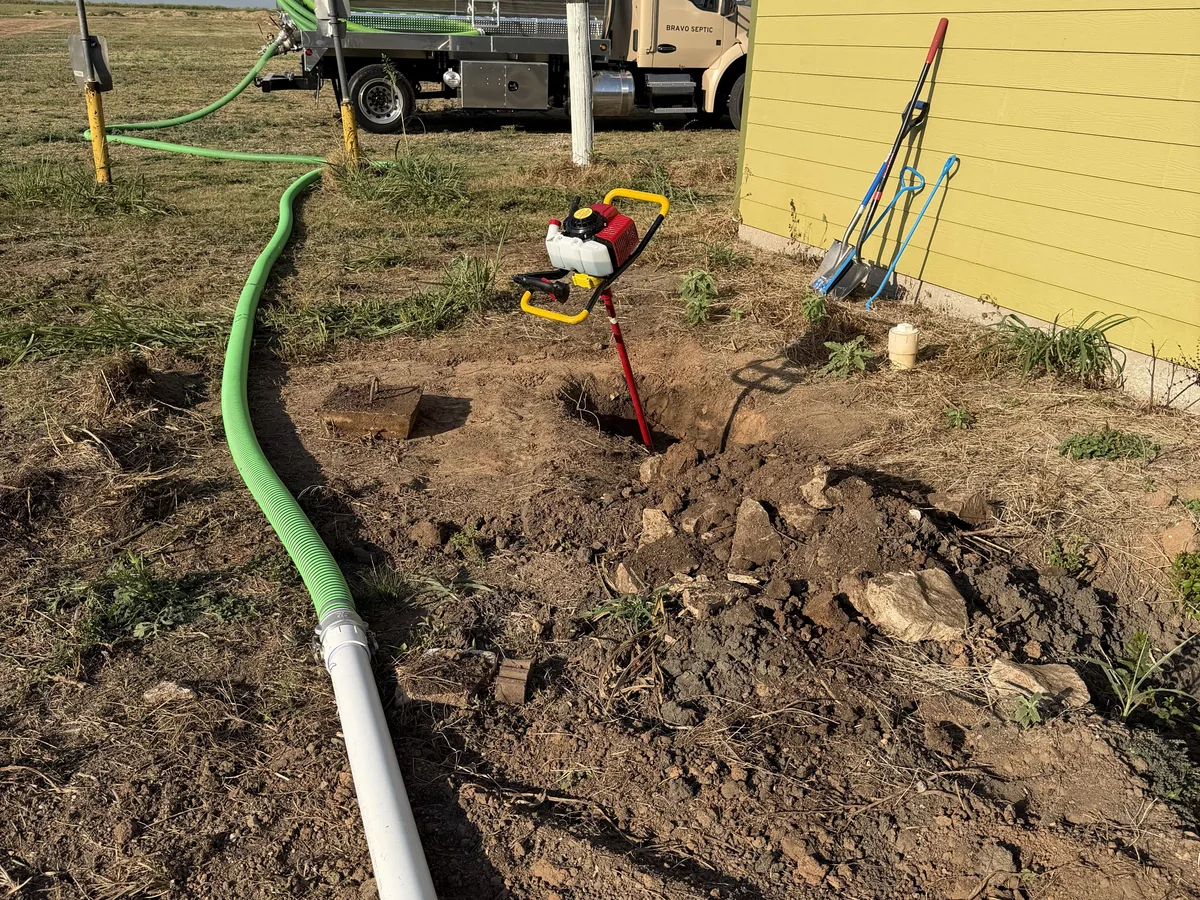
A pump out starts with locating and opening the lids. We pump every compartment and clean the effluent filter if there is one. While the tank is open we look at the baffles and the outlet. Then you get photos of the inside of the tank and a plain report on its condition.
Older tanks often have their lids buried. Texas rules say a tank buried more than 12 inches down has to have risers over the openings. When a lid sits deeper than that, every visit starts with digging. We can put in septic tank risers while the tank is open, so the next pump out starts at grade.
How often to pump depends on the tank and the house. Texas AgriLife Extension gets specific about it. A 1,000 gallon tank with four people on it is due about every 2.6 years. The sludge and scum level in your tank is the real answer, and we measure it.
Where does the sewage go after a Georgetown pump out?
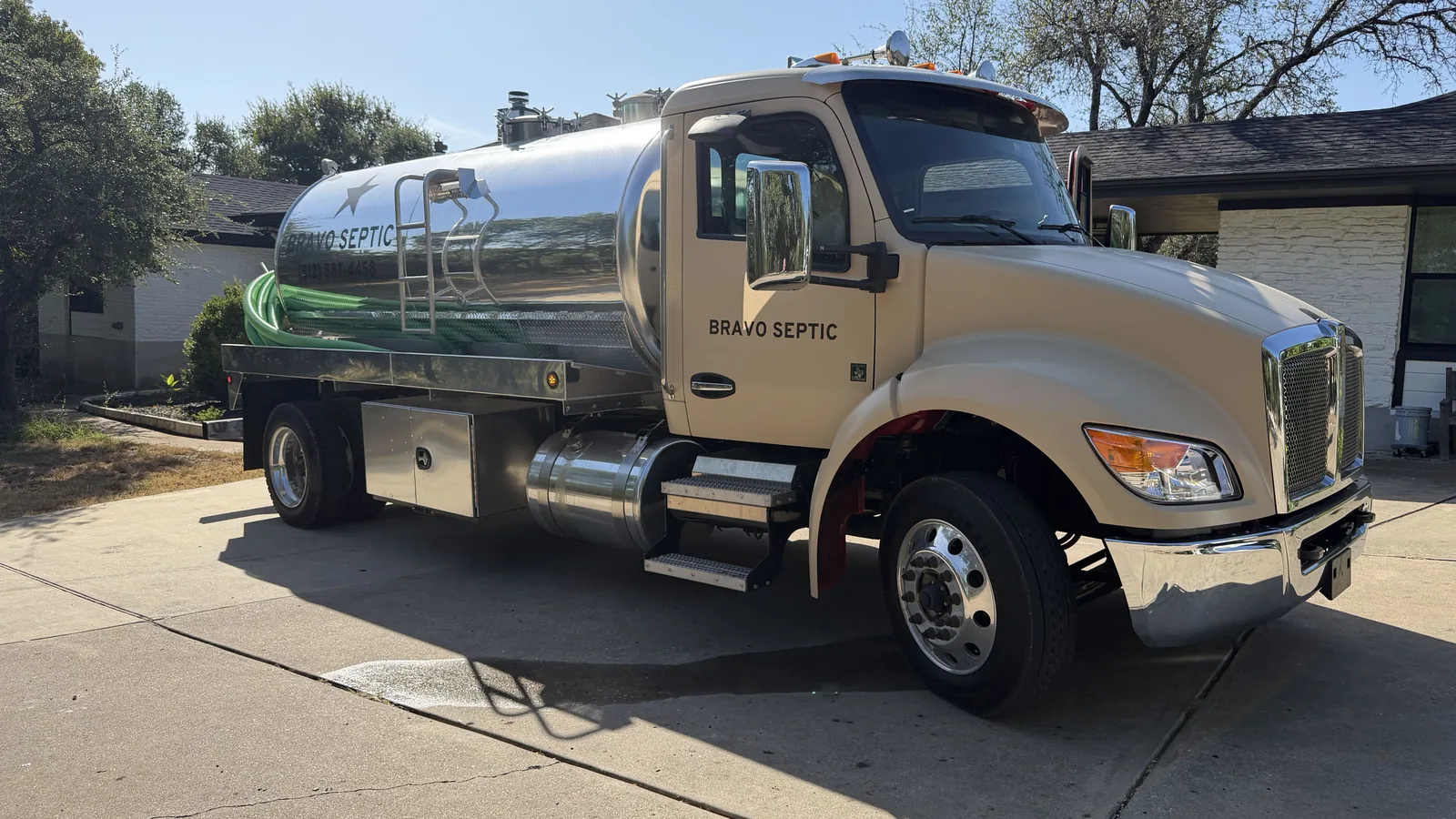
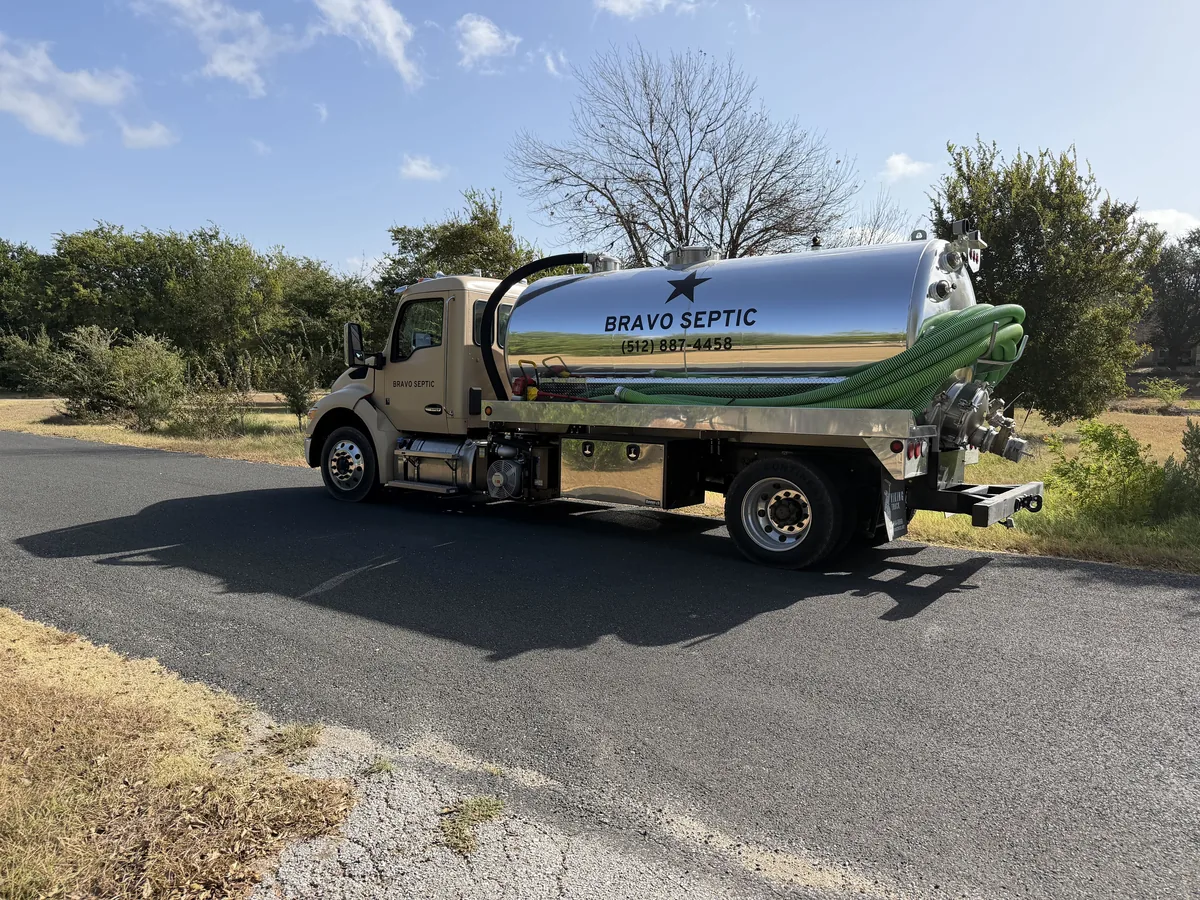
Everything we pump rides in the tank on our vacuum truck to a disposal facility. Texas disposal facilities may not accept septic waste without TCEQ's written authorization for that type of waste.
Each load is tracked on a trip ticket, also called a waste manifest. You get a copy at pickup, and the disposal facility signs it when the load arrives.
Texas rules then require a completed copy back to you within 15 days after the facility accepts the waste. Keep it with your septic records.
Is there a septic tank map for your Georgetown property?
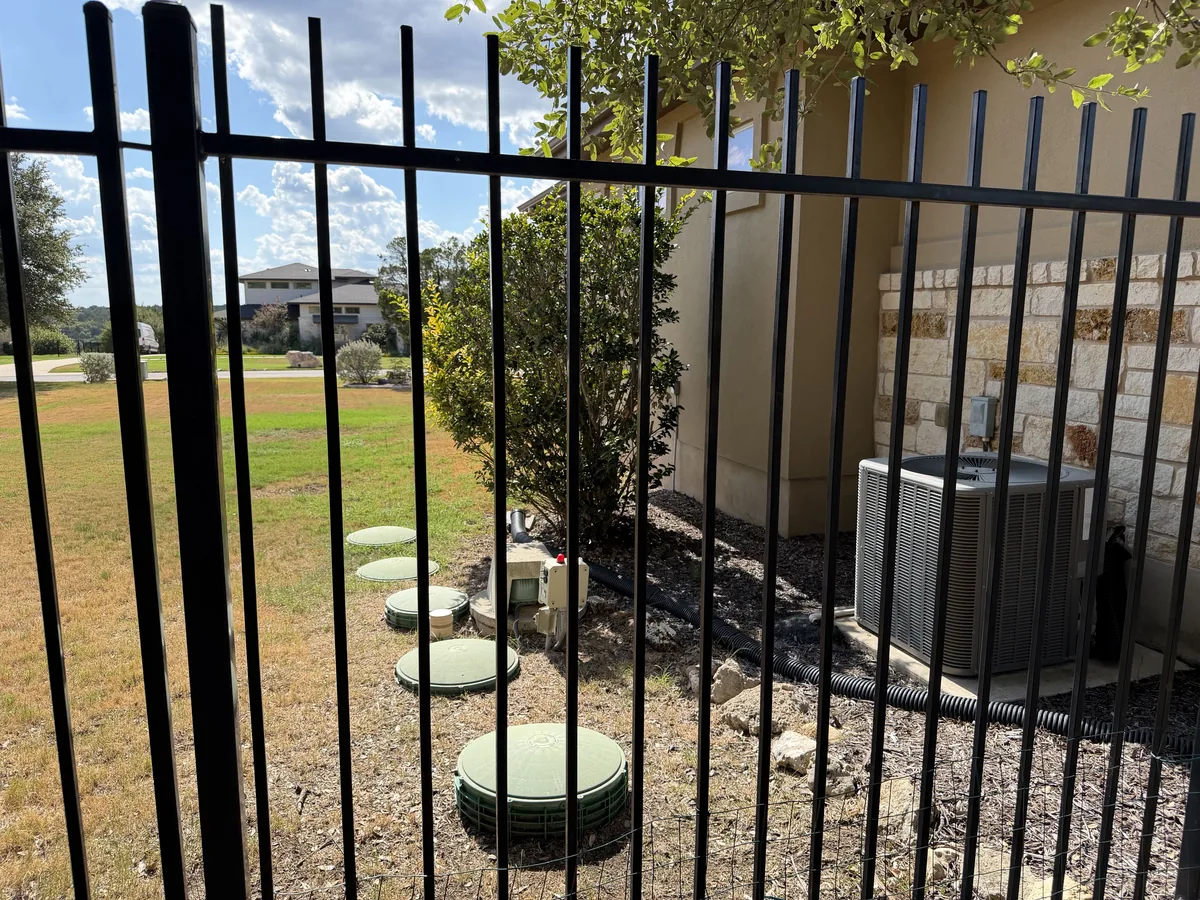
Often, yes: the site drawing in the county permit file. State rules require a scale drawing of the system and the buildings it serves with each permit application. That scale lets you measure from the house.
Request the file from the county OSSF office by email or in person, with the full property address. Add the subdivision name, block and lot if you have them. No drawing, or one that does not match the yard? Septic tank locating finds the tank.
Not sure the property is on septic? If the county's address search lists Unincorporated or an ETJ, Williamson County says septic is likely required.
Buying or selling a place on septic around Georgetown
Georgetown moves a lot of houses. The city passed 100,000 residents in 2024, and many of the properties trading hands sit on acreage. Those usually come with a septic system and a thin paper trail. A buyer in the option period has a short window to find out what is there.
A real estate septic inspection is done with the tank pumped, because a meaningful inspection requires seeing the tank empty. We pull the county OSSF permit record so you know what is permitted on the property. The written report lands within 24 hours of the site visit. Repair quotes come on request, so both sides negotiate with a real number.
What the permit record says and what is in the ground do not always match. Additions, replaced tanks and old repairs show up that way. If the inspection finds a problem, septic repair work goes through the county permit process. We tell you what we see and quote the fix before anything starts.
Septic tank repair around Georgetown
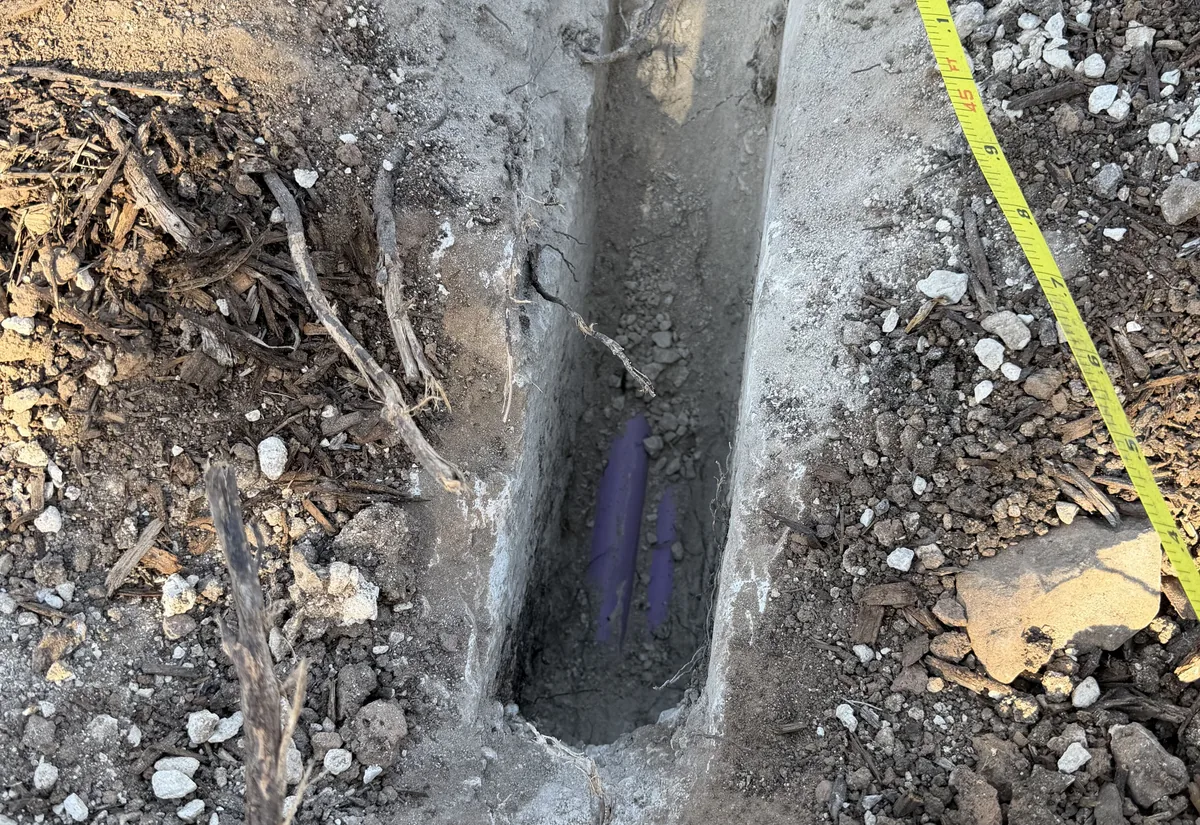
Septic tank repair starts with finding the actual problem. We fix baffles, inlet and outlet tees and broken lines, replace cracked lids and risers, and clean effluent filters.
If the tank can be fixed without removing it, TCEQ calls it an emergency repair, with no permit required. Repairing solid lines, like the pipe leaving the tank for the field, is on the state's emergency list too. Replacing a tank or a drainfield is a permitted repair, and the permit covers the entire system.
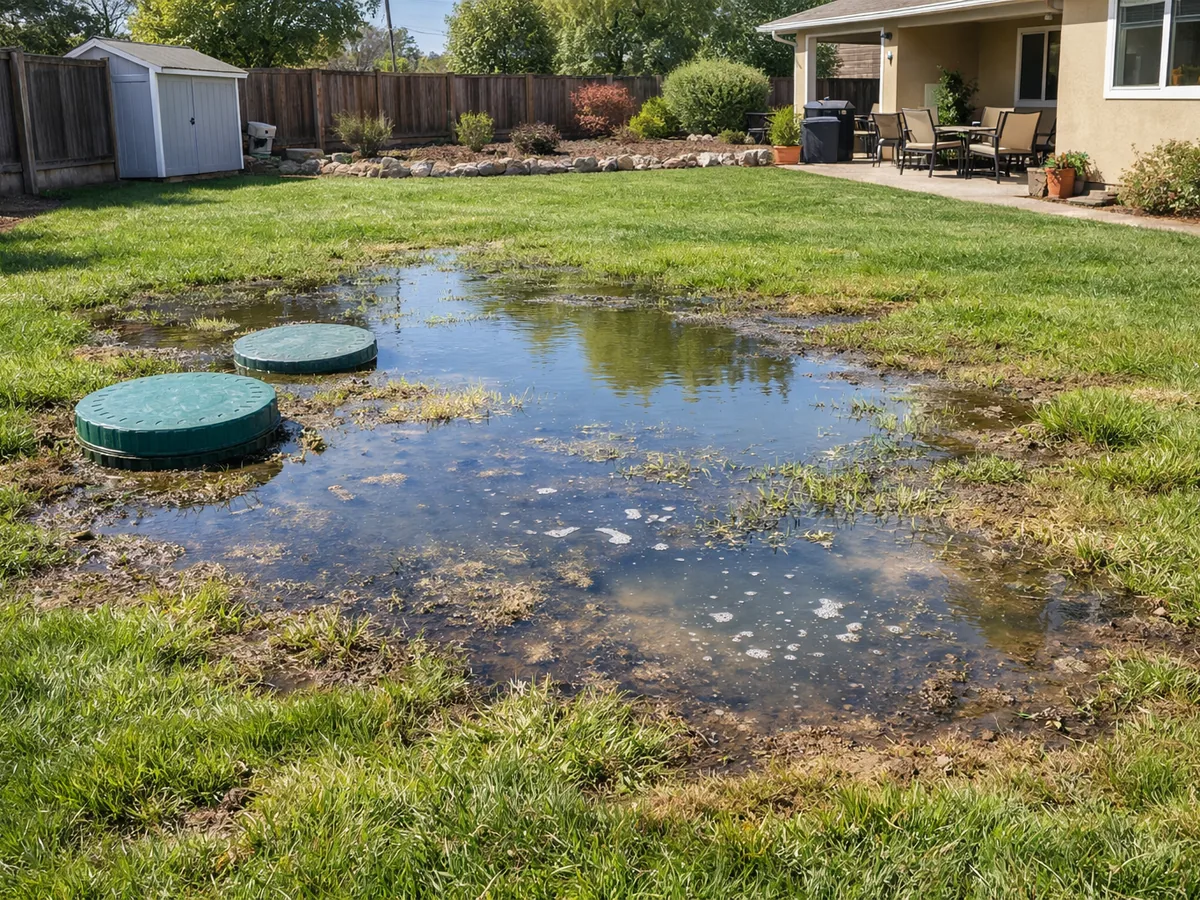
A wet or smelly drainfield has three usual suspects: an overdue tank, too much water, or a failing field. TCEQ says any work on the disposal area must bring the system up to current standards. Our drain field repair covers conventional fields; a non-standard replacement takes a TCEQ Installer II.
Communities and areas we serve around Georgetown: Serenada, Walburg, Weir, Jonah, Andice, Williams Drive, Shell Road, D.B. Wood Road, Jim Hogg Road, Leander Road, Ronald Reagan Boulevard, Lake Georgetown.
Georgetown ZIP codes served: 78626, 78628, 78633.