Who permits a septic system in Austin?
Inside the Austin city limits, Austin Water runs the on-site sewage facility program. It issues the permits and runs the inspections. It also investigates complaints about exposed sewage.
Step outside those city limits and the same road can fall to Travis County. Its Transportation and Natural Resources office permits on-site systems outside the corporate city limits. Closer to the water the LCRA takes over, within 2,000 feet of Lake Travis. It has run that program since 1971 and covers Volente, Jonestown and Lago Vista.
Far north Austin reaches into Williamson County, where the County Engineer's Office runs the OSSF program. Because the line moves address by address, Austin Water publishes a jurisdiction map for exactly this question. We handle the paperwork with whichever office your address lands in. Our septic repair page covers which work needs a permit.
Why the rock under northwest Austin matters
The soil survey names the ground out here Eckrant and Brackett. Both are shallow soils sitting on limestone, on slopes, with rock breaking through in places. Parts of the Jollyville and Anderson Mill area also sit on the Edwards Aquifer recharge zone. Austin Water carries that zone as a layer on its own septic map.
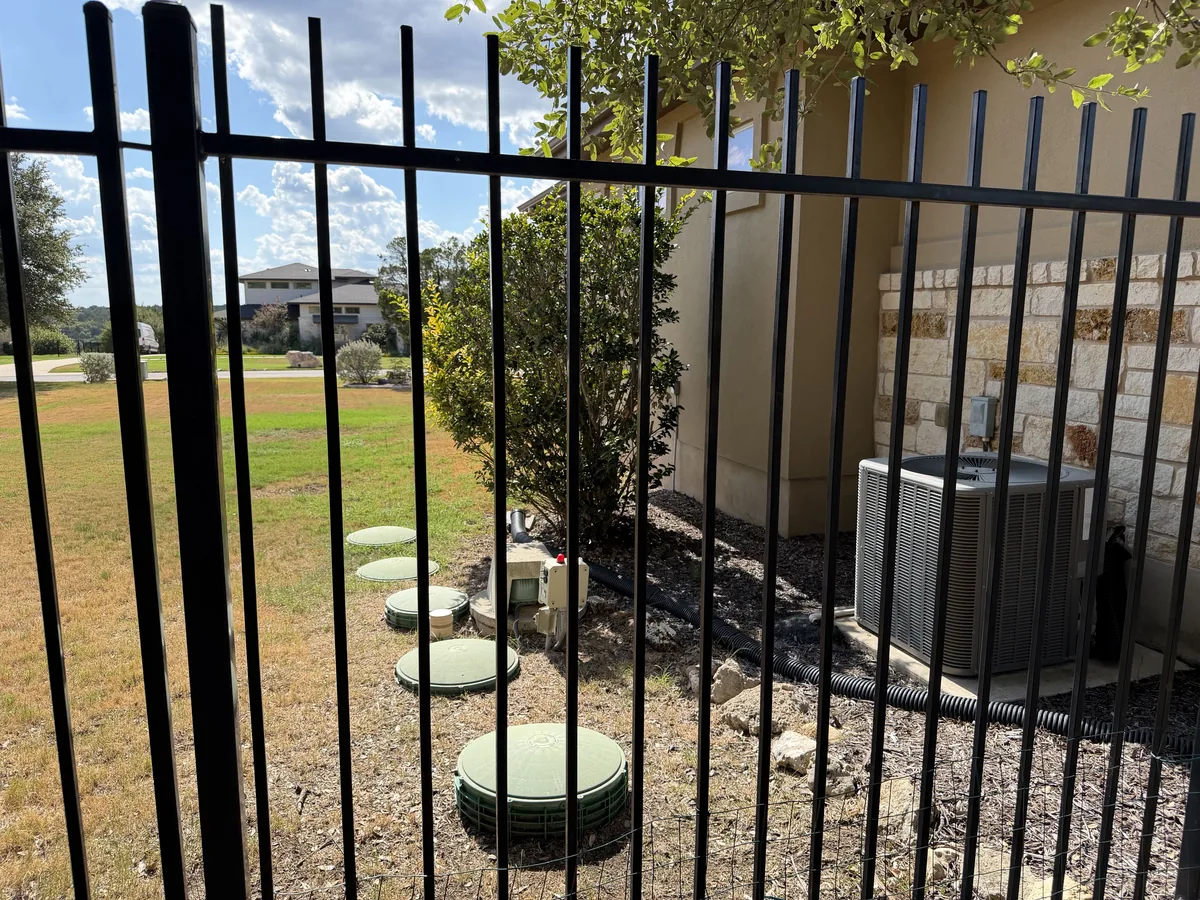
Thin soil is why standard gravity drainfields are rare on this side of town. The state's 2025 report on new septic permits shows it. Austin Water approved 40 new on-site systems that year, and not one was a standard trench or bed. Most were drip systems.
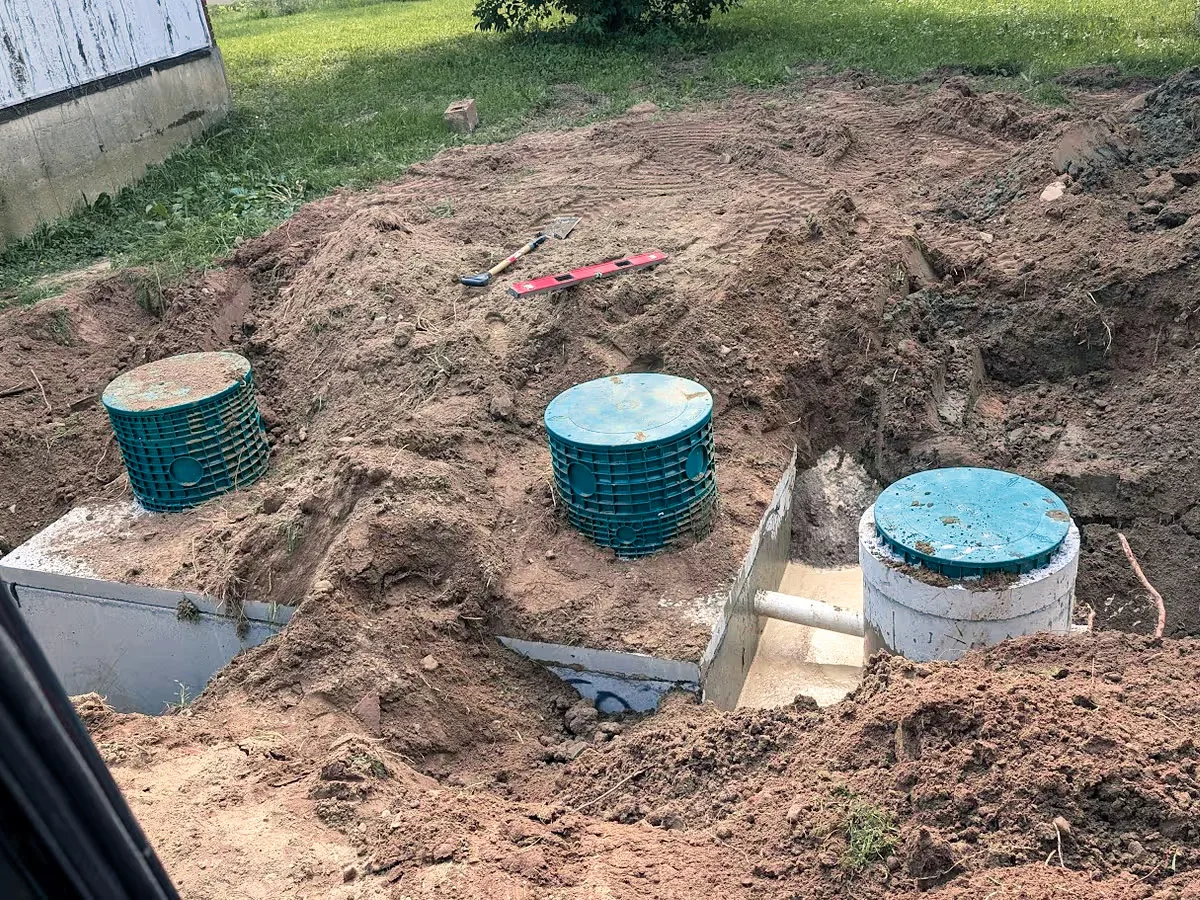
We install the standard systems when a site evaluation allows one. A drip or spray design takes an installer licensed for non-standard systems. Our septic system installation page explains that split and the permit path either way.
Buying or selling a house on septic in Austin
Homes out here change hands on an option period. The TREC contract gives the buyer an unrestricted right to end the deal inside that window. The number of days is a blank on the form, so it gets negotiated deal by deal.
Texas home inspectors are not required to inspect what is buried, so the septic system takes its own visit. We run real estate septic inspections with the tank pumped. A meaningful inspection means seeing the tank empty. We also pull the OSSF permit record so you know what is actually permitted on the property.
The written report comes back within 24 hours of the site visit. That matters on an option clock. Texas transfers an OSSF permit to the new owner automatically at sale, so the file follows the house.
How often should a tank out here get pumped?
TCEQ recommends pumping a conventional septic tank every three to five years. The real answer depends on tank size and how many people live in the house. Texas A&M AgriLife Extension puts a 1,000-gallon tank with four people at about every 2.6 years.
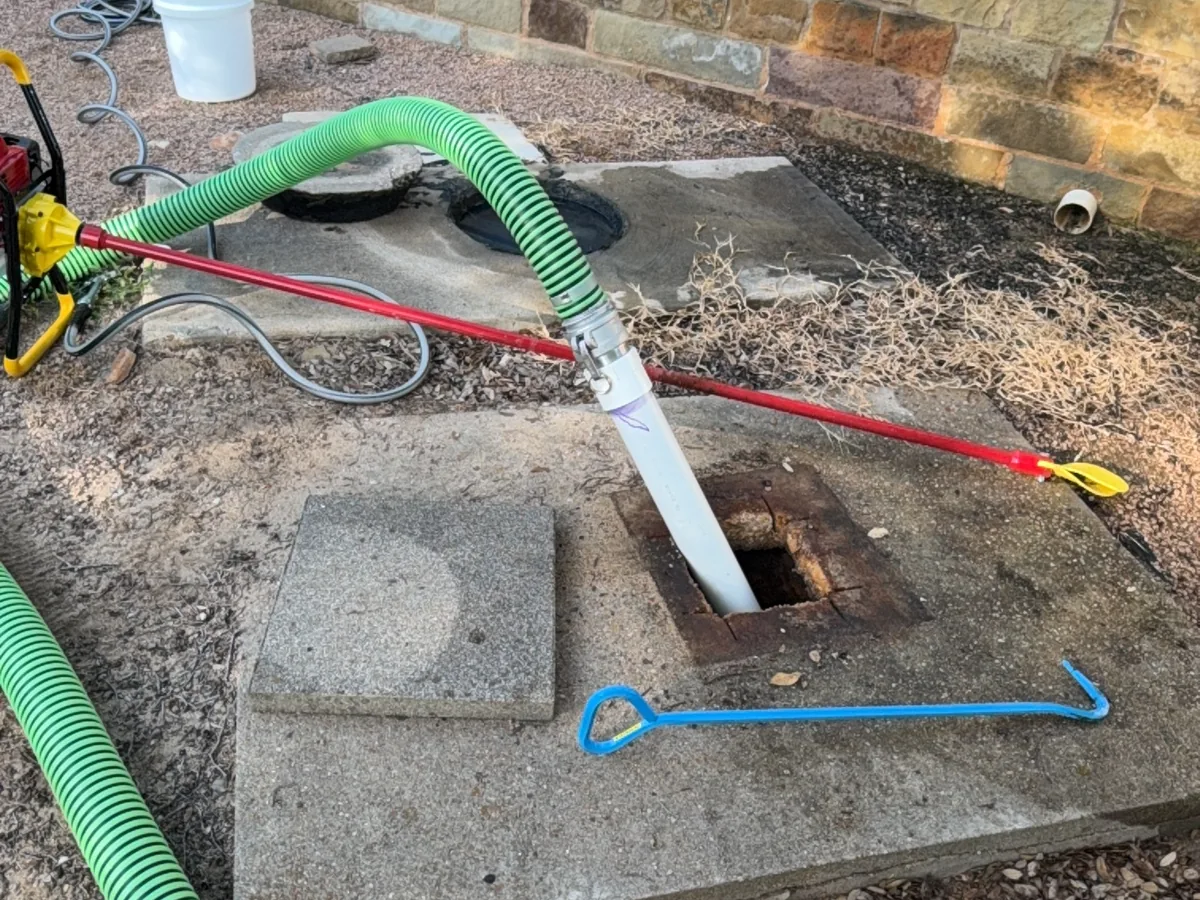
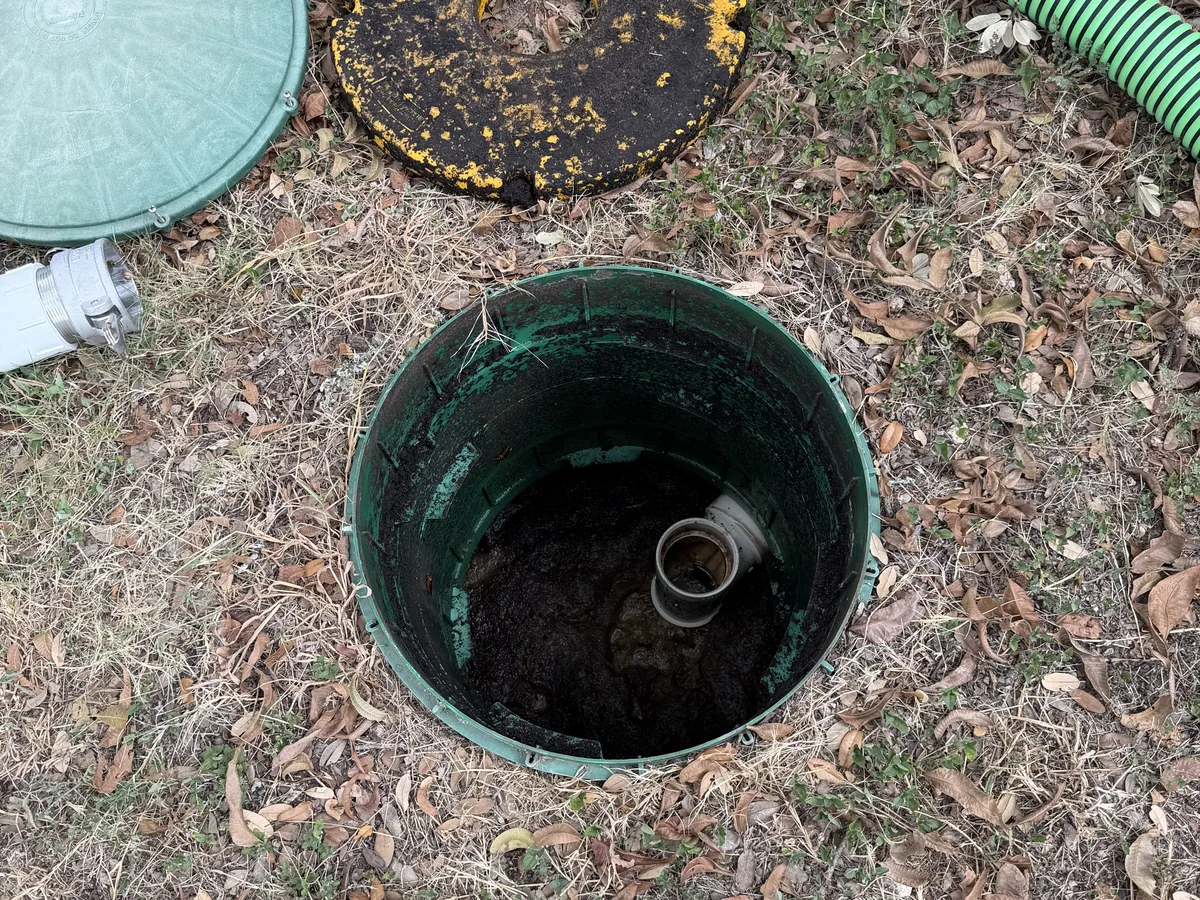
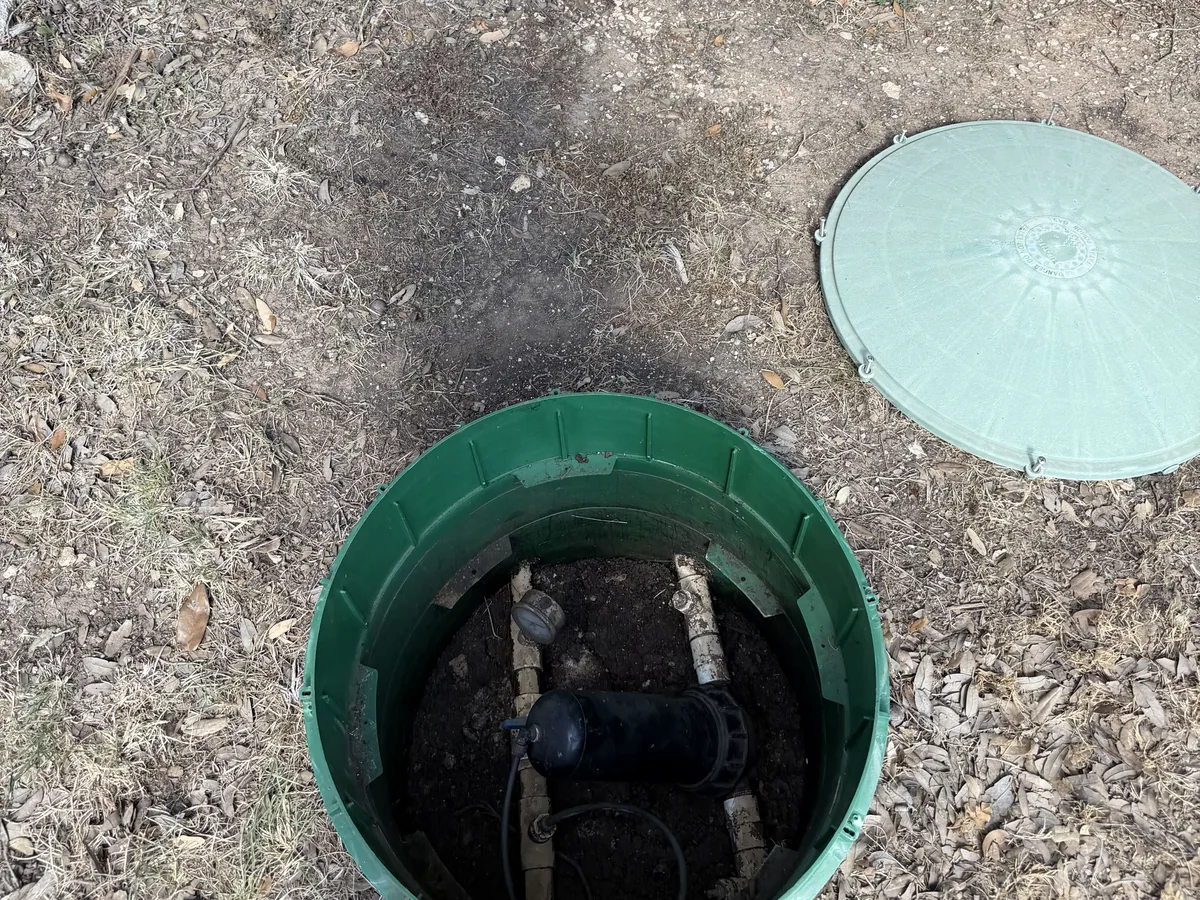
A pump-out here means every compartment gets emptied. We locate and open the lids and clean the effluent filter if the tank has one. While the tank is open we look at the baffles and the outlet. You get photos and a plain report on the tank's condition.
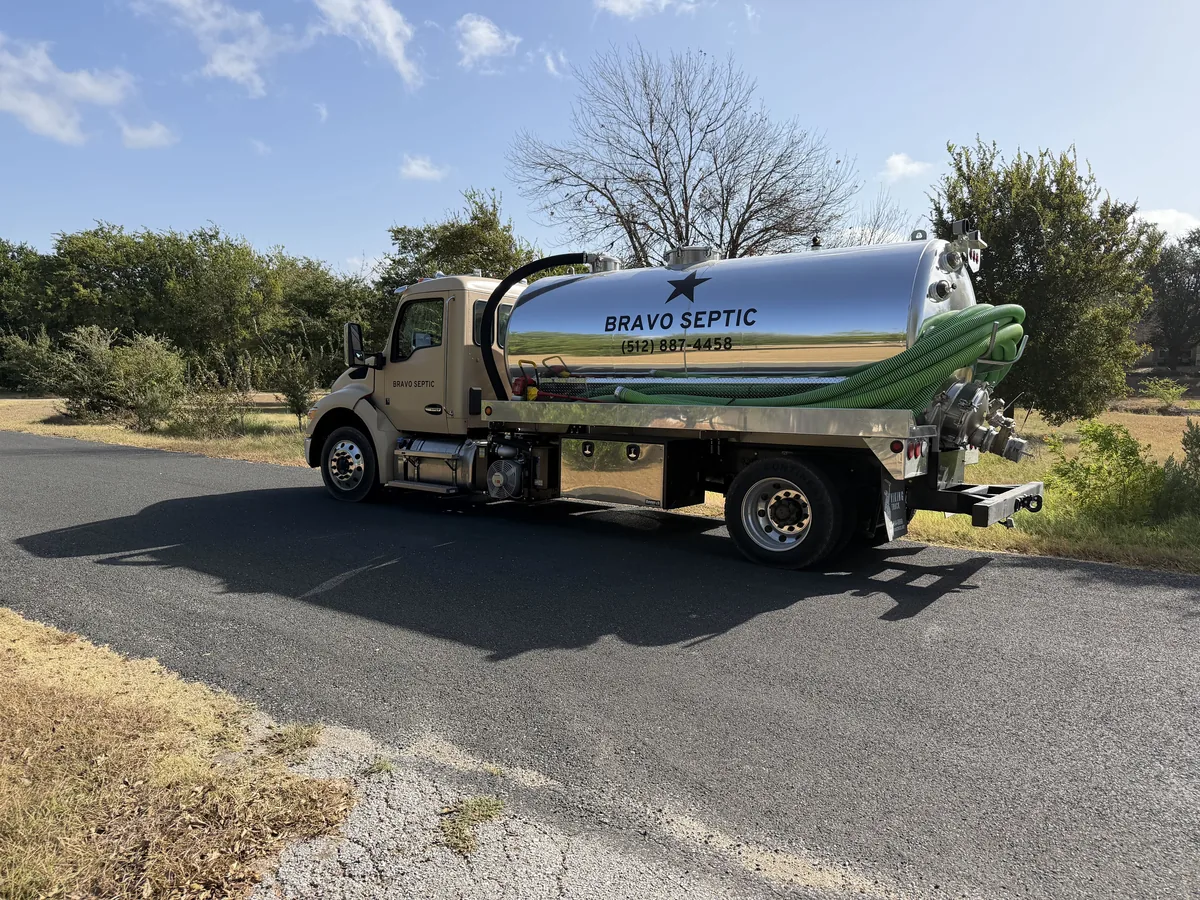
Bravo Septic is licensed and insured, and a TCEQ-registered sludge transporter. Texas rules say an owner may only use a registered transporter to haul what comes out of the tank. Aerobic systems get pumped too, and they take longer because they have more compartments. The routine service visits and testing on an aerobic unit belong to a licensed maintenance provider.
Communities and areas we serve around Austin: Anderson Mill, Jollyville, Four Points, River Place, Canyon Creek, Long Canyon, Westminster Glen, Steiner Ranch, Volente, Lime Creek Road, Bullick Hollow Road, the RM 620 and RM 2222 corridors.
Austin ZIP codes served: 78717, 78726, 78727, 78729, 78730, 78731, 78732, 78750, 78759.